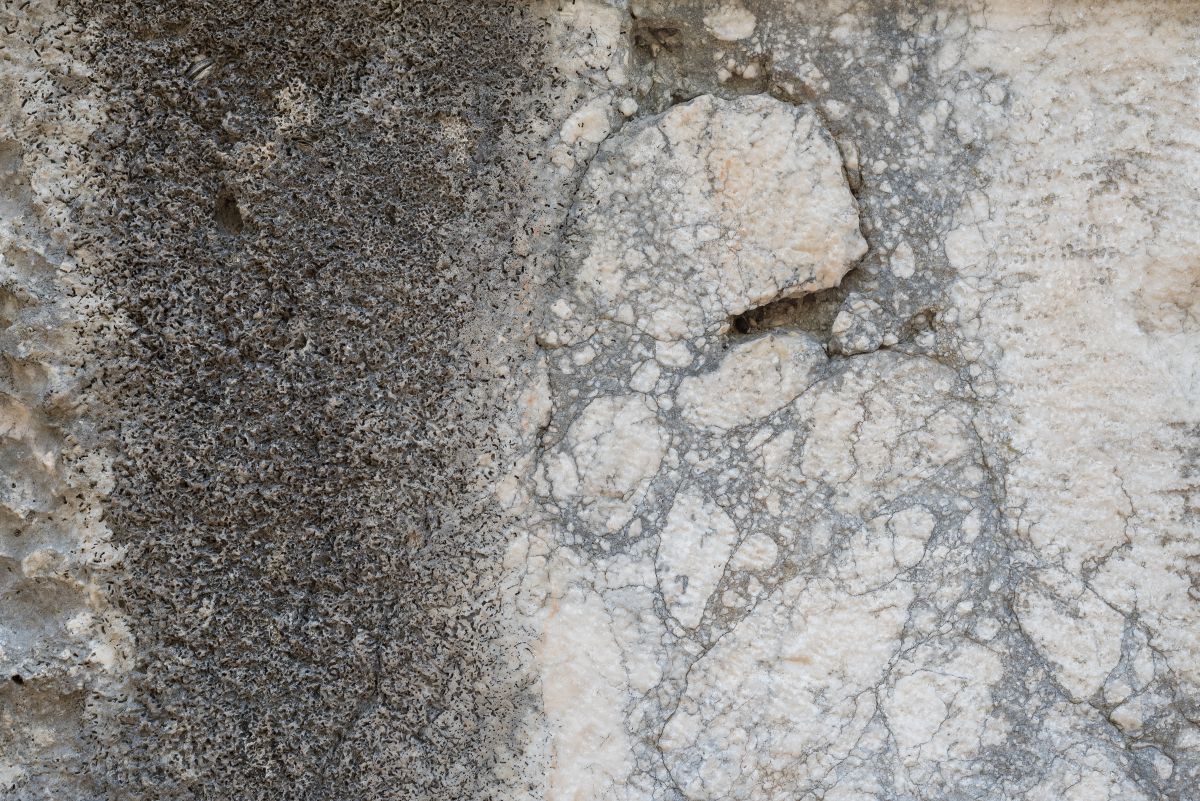
Many homeowners believe mould only grows on organic materials like wood, drywall, or carpet. Concrete, on the other hand, is often assumed to be “mould-proof.” Unfortunately, this is a common misconception.
In reality, mould can and does grow on concrete, especially in basements, garages, crawl spaces, and commercial buildings. In Central Alberta—where basements are common, humidity fluctuates, and water intrusion is a frequent issue—concrete mould growth is a serious concern that can impact both health and property value.
This comprehensive 2025 guide explains how mould grows on concrete, why it happens, how to spot early warning signs, and—most importantly—how to prevent it effectively.
Table of Contents
- Can Mould Actually Grow on Concrete?
- Why Concrete Is Vulnerable to Mould
- Common Areas Where Concrete Mould Develops
- What Causes Mould Growth on Concrete
- Early Signs of Mould on Concrete
- Health Risks of Concrete Mould
- Mould vs. Efflorescence: Know the Difference
- Why DIY Cleaning Often Fails
- Professional Mould Removal from Concrete
- How to Prevent Mould on Concrete Surfaces
- Moisture Control Strategies for Alberta Homes
- When to Call DKI Central Alberta
- Frequently Asked Questions
- Conclusion
1. Can Mould Actually Grow on Concrete?
Yes—mould can grow on concrete.
While concrete itself is not an organic material, mould does not feed on concrete. Instead, it grows on:
- Dust
- Dirt
- Organic debris
- Construction residue
- Paint or sealants on concrete
Concrete is porous, meaning it absorbs moisture. When moisture combines with surface contaminants and limited airflow, mould colonies can develop quickly.
2. Why Concrete Is Vulnerable to Mould
Concrete acts like a sponge. It absorbs and retains moisture from:
- Groundwater
- Flooding
- Condensation
- High indoor humidity
- Plumbing leaks
Once moisture becomes trapped inside concrete, it creates the perfect environment for mould growth—especially in dark, enclosed spaces like basements.
3. Common Areas Where Concrete Mould Develops
Mould on concrete is most often found in:
- Basement floors and foundation walls
- Crawl spaces
- Garages
- Laundry rooms
- Mechanical rooms
- Underground parking structures
- Commercial storage areas
Basements in Central Alberta homes are especially vulnerable due to seasonal groundwater changes and freeze-thaw cycles.
4. What Causes Mould Growth on Concrete
1. Water Intrusion
Flooding, seepage, or foundation cracks allow moisture to penetrate concrete.
2. Condensation
Warm indoor air meeting cold concrete walls creates surface moisture.
3. Poor Ventilation
Lack of airflow traps humidity near concrete surfaces.
4. Plumbing Leaks
Slow, hidden leaks saturate concrete over time.
5. High Indoor Humidity
Humidity above 55% dramatically increases mould risk.
6. Improper Sealing
Unsealed or damaged concrete allows moisture to migrate freely.
5. Early Signs of Mould on Concrete
Recognizing mould early can prevent extensive damage.
Visual Indicators
- Black, green, white, or grey spots
- Fuzzy or powdery patches
- Staining or discoloration
Odours
- Persistent musty or earthy smells
- Damp basement odor
Environmental Clues
- Condensation on walls
- Peeling paint or bubbling coatings
- Efflorescence combined with dark growth
6. Health Risks of Concrete Mould
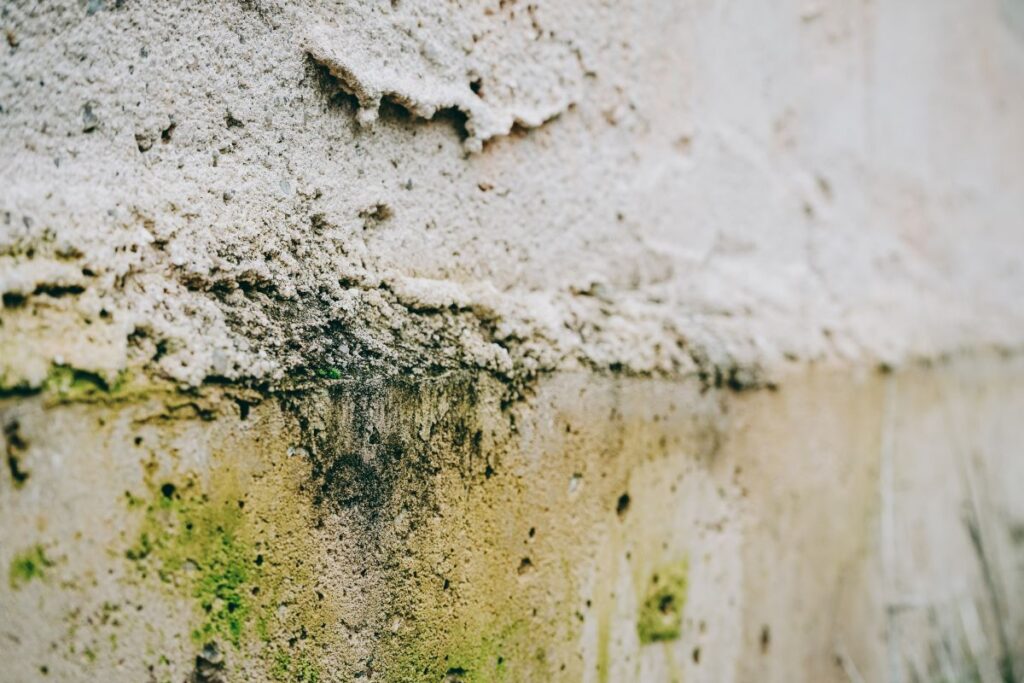
Concrete mould can release airborne spores that affect indoor air quality.
Common Symptoms
- Chronic coughing or sneezing
- Headaches
- Fatigue
- Sinus congestion
- Skin irritation
- Eye irritation
High-Risk Individuals
- Children
- Seniors
- Individuals with asthma
- Immunocompromised individuals
Long-term exposure can worsen respiratory conditions and lead to ongoing health problems.
7. Mould vs. Efflorescence: Know the Difference
Many homeowners confuse mould with efflorescence.
| Feature | Mould | Efflorescence |
|---|---|---|
| Appearance | Fuzzy or blotchy | Powdery, white |
| Texture | Soft or slimy | Chalky |
| Health Risk | Yes | No |
| Cause | Moisture + organic matter | Salt migration |
| Removal | Requires remediation | Brushing/cleaning |
Efflorescence indicates moisture problems—even if mould is not yet present.
8. Why DIY Cleaning Often Fails
Scrubbing concrete with bleach or household cleaners may remove surface staining—but it does not eliminate mould roots inside porous concrete.
DIY methods often fail because they:
- Do not remove absorbed moisture
- Do not penetrate concrete pores
- Do not address airflow or humidity
- Allow regrowth within weeks
Improper cleaning can also spread spores throughout the home.
9. Professional Mould Removal from Concrete
Certified mould remediation involves:
- Moisture source identification
- Containment of affected areas
- HEPA air filtration
- Specialized antimicrobial treatments
- Mechanical cleaning and abrasion
- Controlled drying and dehumidification
- Verification testing
Professional remediation ensures mould is removed at the source, not just on the surface.
10. How to Prevent Mould on Concrete Surfaces
Seal Concrete Properly
Use high-quality waterproof sealants on basement floors and walls.
Control Humidity
Maintain indoor humidity between 30–50% using dehumidifiers or HVAC systems.
Improve Ventilation
Add exhaust fans, open vents, or use mechanical ventilation.
Fix Water Issues Promptly
Repair foundation cracks, plumbing leaks, and drainage problems immediately.
Install Vapor Barriers
Especially in crawl spaces and unfinished basements.
Insulate Cold Concrete Walls
Insulation reduces condensation risk.
11. Moisture Control Strategies for Alberta Homes
Effective moisture control includes:
- Sump pumps with battery backup
- Proper grading away from foundations
- Extended downspouts
- Window well covers
- Foundation waterproofing
- Seasonal inspections
Moisture control is the most important factor in mould prevention.
12. When to Call DKI Central Alberta

You should contact DKI Central Alberta if:
- Mould keeps returning after cleaning
- Mould covers more than 10 square feet
- You smell persistent musty odors
- Water damage occurred recently
- Health symptoms worsen at home
DKI Central Alberta Provides:
- Certified mould remediation
- Concrete mould treatment
- Moisture detection and control
- Basement and foundation restoration
- Insurance claim support
- Full property restoration services
Serving Red Deer, Lacombe, Sylvan Lake, Stettler, Bowden, Penhold, and surrounding Central Alberta communities.
13. Frequently Asked Questions
Can mould grow on painted concrete?
Yes. Mould grows on dust and organic matter on painted surfaces.
Does sealing concrete prevent mould?
Yes—when combined with moisture control and ventilation.
Is basement mould dangerous?
Yes. Prolonged exposure can affect respiratory health.
Can dehumidifiers stop mould growth?
They help significantly but must be used consistently.
14. Conclusion
Concrete is not immune to mould. In fact, its porous nature makes it highly susceptible when moisture is present. Without proper sealing, ventilation, and humidity control, mould can thrive on concrete surfaces—especially in Alberta basements.
The key to prevention is moisture management. When mould does appear, professional remediation is the safest and most effective solution.
DKI Central Alberta is trusted across the region for certified mould remediation, moisture control, and complete property restoration—helping homeowners protect both their health and their investment.