When a disaster strikes—whether it is a fire, flood, storm event, sewage backup, or structural impact—the aftermath can feel overwhelming. Your home or business may be damaged, emotions are high, and the process of navigating insurance is often confusing.
Understanding how to file a property insurance claim properly can significantly reduce stress, speed up your recovery, and help ensure you receive the compensation you deserve.
This comprehensive guide walks you through every major step, explains what insurers expect, outlines what to avoid, and demonstrates how working with a certified restoration company like DKI Central Alberta can support a smoother, faster, and more successful claims experience.
Table of Contents
- Introduction: Why the Insurance Claim Process Matters
- Step 1: Ensure Safety and Prevent Further Damage
- Step 2: Contact Your Insurance Provider Immediately
- Step 3: Document Damage Thoroughly
- Step 4: Get Emergency Mitigation from Certified Restoration Experts
- Step 5: Review Your Policy Coverage
- Step 6: Work with the Adjuster
- Step 7: Obtain Estimates for Restoration Work
- Step 8: Approve the Scope of Work and Begin Repairs
- Step 9: Track All Expenses and Communication
- Step 10: Final Walk-Through and Claim Closure
- Common Mistakes to Avoid
- How DKI Central Alberta Helps with Property Insurance Claims
- Frequently Asked Questions
- Final Thoughts
1. Introduction: Why the Insurance Claim Process Matters
Property damage from disasters is more common than most homeowners expect. In Alberta, severe winter weather, freezing pipes, hailstorms, fires, basement flooding, and wind events are among the leading causes of home insurance claims. When something goes wrong, your ability to file a complete, accurate, and timely insurance claim directly affects:
- How quickly repairs begin
- How much coverage you receive
- Whether your claim is denied or approved
- The timeline to return to normal
Insurance companies follow strict guidelines. Filing a claim properly with full documentation ensures your home or business is restored efficiently, without financial surprises.
2. Step 1: Ensure Safety and Prevent Further Damage
Your first priority after any disaster is safety. Before doing anything else:
- Evacuate if the property is unsafe.
- Avoid electrical hazards, standing water, structural instability, or smoke.
- Do not re-enter the building until professionals confirm it is safe.
Most insurance policies require homeowners to take “reasonable steps” to prevent further damage. Examples include:
- Shutting off water if a pipe burst
- Boarding up broken windows
- Tarping a damaged roof
- Turning off electricity when water is present
Certified restoration companies like DKI Central Alberta can take over these duties safely and appropriately.
3. Step 2: Contact Your Insurance Provider Immediately
Once everyone is safe, notify your insurance company. Waiting too long can cause delays or complications.
When you call, be prepared to provide:
- Your policy number
- Type of damage (fire, water, wind, etc.)
- When the incident occurred
- Whether emergency services have responded
- Whether emergency mitigation has begun
Your insurer will issue a claim number, which you will use for all future correspondence.
4. Step 3: Document Damage Thoroughly
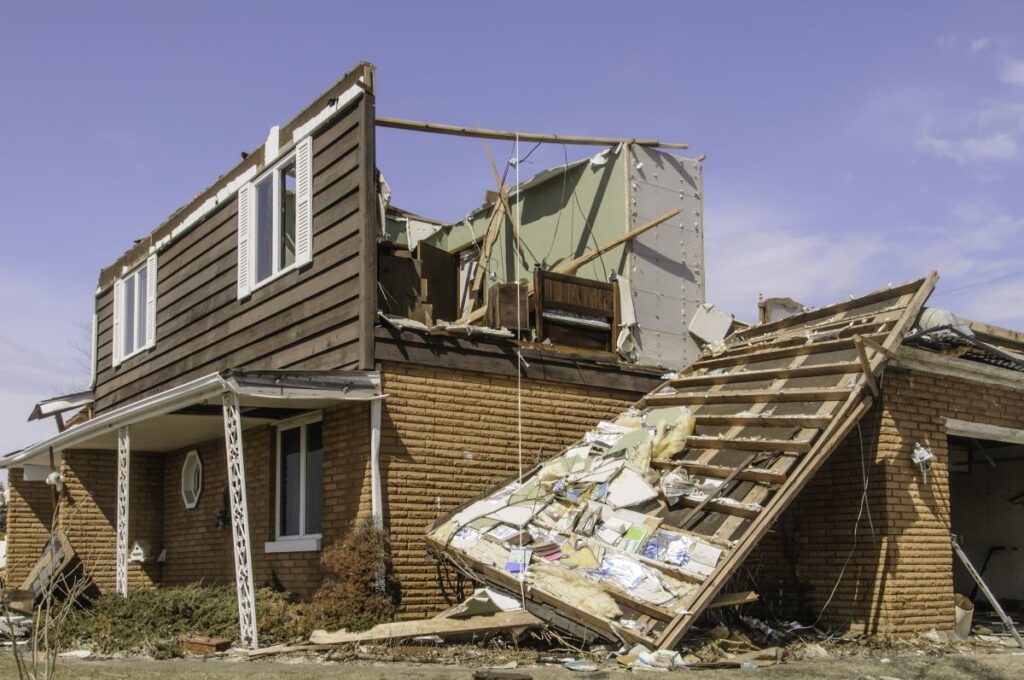
Documentation is the backbone of a successful insurance claim. Before cleanup begins:
Photograph and video everything:
- Structural damage
- Personal belongings
- Appliances
- Furniture
- Attics, basements, crawlspaces
- Areas affected by smoke, water, or soot
Take clear pictures from multiple angles.
Create a detailed inventory, including:
- Item descriptions
- Approximate age
- Replacement value (if known)
- Serial numbers for appliances or electronics
Insurance companies rely heavily on proof of loss. The more detailed your documentation, the stronger your claim.
5. Step 4: Get Emergency Mitigation from Certified Restoration Experts
Insurance policies require homeowners to take immediate steps to stop damage from worsening. However, you should never attempt major cleanup yourself, especially after:
Certified restoration technicians such as DKI Central Alberta provide:
- Water extraction and structural drying
- Smoke and soot removal
- Odour control
- Debris cleanup
- Structural stabilization
- Roof tarping and board-ups
- Mould and asbestos assessments
- Contents packing, cleaning, and storage
Insurers trust professional mitigation because it prevents additional losses and ensures the environment is safe for adjusters and contractors.
6. Step 5: Review Your Policy Coverage
Coverage varies between insurance companies and policies. Look for details regarding:
Common types of coverage:
- Fire damage
- Water damage (burst pipes, appliance failures, etc.)
- Sewer backup
- Overland flood (often separate)
- Storm and wind damage
- Impact damage
- Additional living expenses (ALE)
- Contents insurance
Review key policy elements:
- Deductibles
- Coverage limits
- Exclusions
- Required documentation
- Timelines
If anything is unclear, your claim representative must explain your coverage.
7. Step 6: Work with the Adjuster
Your insurer will assign an adjuster to inspect the damage. The adjuster determines:
- What is covered
- How much repairs should cost
- What contents can be restored vs. replaced
Tips for working with your adjuster:
- Be present during inspections if possible.
- Provide your photos, videos, and documentation.
- Ask questions if you disagree with the assessment.
- Do not dispose of damaged items until approved.
A reputable restoration company can also meet with the adjuster to ensure all damage is properly accounted for.
8. Step 7: Obtain Estimates for Restoration Work

Insurance companies typically require an estimate from a licensed restoration company. DKI Central Alberta provides detailed, insurer-approved estimates using standardized industry pricing software such as Xactimate.
A complete estimate includes:
- Emergency mitigation
- Cleaning and sanitization
- Structural drying
- Repairs and rebuilding
- Contents restoration
- Final inspection and verification
Accuracy is essential to avoid delays or additional costs.
9. Step 8: Approve the Scope of Work and Begin Repairs
Once the insurer approves the estimate, full restoration can begin.
Typical phases include:
- Structural repairs
- Drywall, flooring, framing, carpentry
- Smoke, odour, or mould remediation
- Painting and finishing
- Final cleaning
Your restoration contractor coordinates each step, ensuring the work complies with insurance standards and building codes.
10. Step 9: Track All Expenses and Communication
Keep organized records:
- Emails
- Receipts
- Hotel costs
- Meal reimbursements
- Temporary housing fees
- Contractor invoices
Most insurers will reimburse additional living expenses (ALE) as long as receipts are provided.
11. Step 10: Final Walk-Through and Claim Closure
Once the restoration is complete:
- Conduct a final inspection
- Confirm all work meets expectations
- Document the restored space
- Ensure all invoices are submitted
After approval, the insurer closes the claim.
12. Common Mistakes to Avoid
Avoid these issues that commonly delay or complicate claims:
- Waiting too long to notify your insurer
- Beginning cleanup before documentation
- Throwing away items without approval
- Not using certified restoration professionals
- Poor record-keeping
- Agreeing to unrealistic repair estimates
- Hiring uninsured or unqualified contractors
A structured, well-documented process prevents disputes and accelerates recovery.
13. How DKI Central Alberta Helps with Property Insurance Claims
As part of Canada’s largest restoration network, DKI Central Alberta supports homeowners and businesses through every phase of the insurance claim process.
Our services include:
- 24/7 emergency response
- Immediate mitigation and safety measures
- Comprehensive damage assessments
- Photo and documentation support
- Insurance-approved estimating
- Full structural and contents restoration
- Coordination with adjusters
- Final rebuild and quality verification
We handle the technical aspects so you can focus on getting your life back to normal.
Service Areas:
Red Deer, Stettler, Lacombe, Sylvan Lake, Bowden, Ponoka, Delburne, Penhold, and surrounding Central Alberta communities.
14. Frequently Asked Questions
Should I call my insurance company or a restoration company first?
If the property is unsafe, call a restoration company immediately. You can notify insurance afterward.
Will my rates increase after filing a claim?
Claims may affect premiums, but it depends on the incident, cause, and insurer.
Do I need multiple quotes for repairs?
Most insurers accept a single estimate from a certified restoration company.
Can I clean up the damage myself?
Not recommended. DIY cleanup may worsen the damage or void insurance coverage.
15. Final Thoughts
Filing a property insurance claim after a disaster does not have to be complicated. With proper documentation, timely communication, and support from trained restoration professionals, you can ensure a smooth claims process and a full recovery.
When disaster strikes, DKI Central Alberta is here to support you 24/7 with trusted, certified restoration services and insurance-approved procedures. Contact us today.