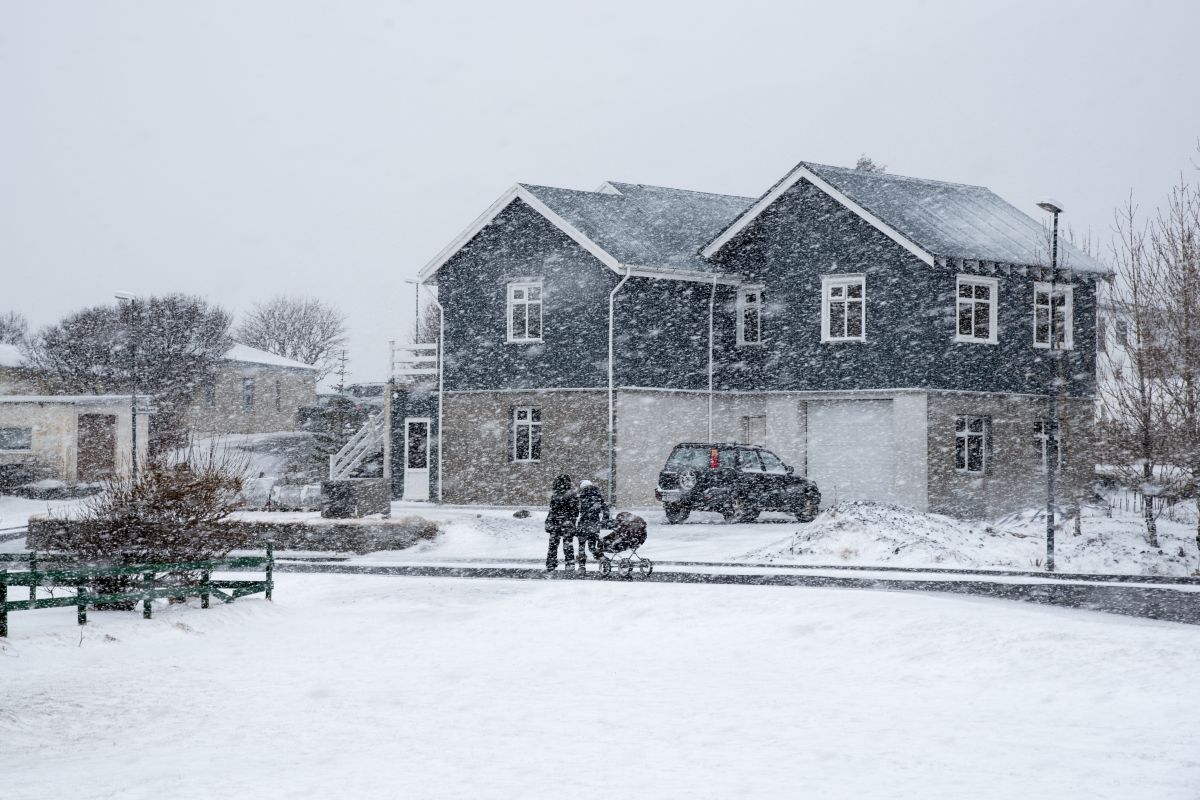
Major storms in Alberta are becoming more frequent and more intense. From powerful chinook winds and destructive hailstorms to sudden flash flooding and severe summer thunderstorms, Central Alberta homeowners face a wide spectrum of weather events that can cause extensive property damage in minutes.
Cities such as Red Deer, Lacombe, Sylvan Lake, Bowden, Stettler, and Penhold experience some of the most unpredictable weather patterns in Canada. These storms often lead to:
- Roof and siding damage
- Broken windows
- Flooded basements
- Power outages
- Uprooted trees
- Structural impact damage
- Moisture intrusion and mould growth
Being prepared is the best way to minimize damage, protect your family, and ensure a faster recovery.
This comprehensive 2025 guide explains how to effectively prepare your home before a major storm and how DKI – Central Alberta supports homeowners after weather-related damage.
Table of Contents
- Understanding Alberta’s Major Storm Risks
- Why Storm Preparation Is Crucial
- Storm Safety Checklist for Homeowners
- Before the Storm: Exterior Preparation
- Before the Storm: Interior Preparation
- Storm-Proofing Your Property and Yard
- Preventing Water and Flood Damage
- How to Prepare Your Roof for a Storm
- Windows, Doors & Siding Protection
- Creating a Family Emergency Plan
- Essential Emergency Supplies to Have
- What to Do During a Major Storm
- What to Avoid During Severe Weather
- Steps to Take Immediately After the Storm
- How DKI – Central Alberta Helps with Storm and Wind Damage
- Frequently Asked Questions
- Conclusion
1. Understanding Alberta’s Major Storm Risks
Alberta experiences several types of severe weather events each year:
1. Windstorms
Strong winds exceeding 100 km/h can topple trees, tear off shingles, or rip siding from homes.
2. Hailstorms
Alberta is part of “Hailstorm Alley,” notorious for large hailstones capable of breaking windows, damaging roofs, and denting exteriors.
3. Thunderstorms
Lightning strikes and heavy rainfall can cause structural impacts, fires, and localized flooding.
4. Flash Flooding
Sudden downpours overwhelm drainage systems, flooding basements and crawlspaces.
5. Winter Blizzards
Heavy snow, ice buildup, and extreme cold can strain roofs, burst pipes, and disrupt power.
With such a wide range of storm types, preparation must be thorough and proactive.
2. Why Storm Preparation Is Crucial
Strong weather events can cause:
- Costly structural damage
- Hazardous electrical issues
- Basement flooding
- Roof failure
- Fallen trees and yard debris
- Disruption of essential services
- Damage to personal belongings
- Risk to family safety
By preparing ahead of time, homeowners can significantly reduce the impact of severe storms and recover faster.
3. Storm Safety Checklist for Homeowners
Before any major storm hits, complete the following checklist:
✔ Secure outdoor items
✔ Clean gutters and downspouts
✔ Inspect roof and siding
✔ Seal windows and doors
✔ Prepare sump pumps and backup power
✔ Stock emergency supplies
✔ Review insurance and take property photos
✔ Create a family communication plan
✔ Know where shut-off valves are located
4. Before the Storm: Exterior Preparation
Clear gutters and downspouts
Debris-filled gutters cause rainwater overflow that leads to foundation damage and basement leaks.
Inspect and secure roofing
Check for:
- Loose shingles
- Exposed nails
- Damaged flashing
- Weak roof edges
Make necessary repairs to prevent wind uplift.
Tie down or store outdoor objects
High winds can turn loose objects into dangerous projectiles:
- Patio furniture
- Sports equipment
- Planters
- BBQs
- Garbage bins
Secure them in a shed or garage.
Trim trees and remove broken branches
Dead or unstable branches are one of the most common causes of impact damage during storms.
Check your drainage
Make sure water flows away from your foundation.
5. Before the Storm: Interior Preparation
Locate emergency shut-offs
Know where the following are located:
- Main electrical breaker
- Gas shut-off
- Main water valve
Prepare your basement
Move valuables off the floor and elevate items that could be damaged by water.
Charge all electronic devices
Ensure phones, power banks, and rechargeable flashlights are ready.
Protect important documents
Store them in waterproof containers or digital backups.
Test your sump pump
A non-functioning sump pump is one of Alberta’s biggest flood risks.
6. Storm-Proofing Your Property and Yard
Install heavy-duty window and door hardware
Reinforced latches and security bars help resist wind pressure.
Upgrade siding and roofing materials
Modern high-impact materials drastically reduce storm damage.
Ensure proper grading around your home
Water should always flow away, not toward, your house.
Remove vulnerable items from your yard
Hot tubs, trampolines, sheds, and play structures should be anchored or strengthened before storm season.
7. Preventing Water and Flood Damage
Water intrusion causes long-term damage and mould growth if not addressed quickly.
Key prevention steps:
- Install backwater valves
- Add window well covers
- Use waterproof basement sealants
- Maintain sump pumps with battery backup
- Keep gutters free of obstructions
- Extend downspouts at least 6 feet from the house
8. How to Prepare Your Roof for a Storm
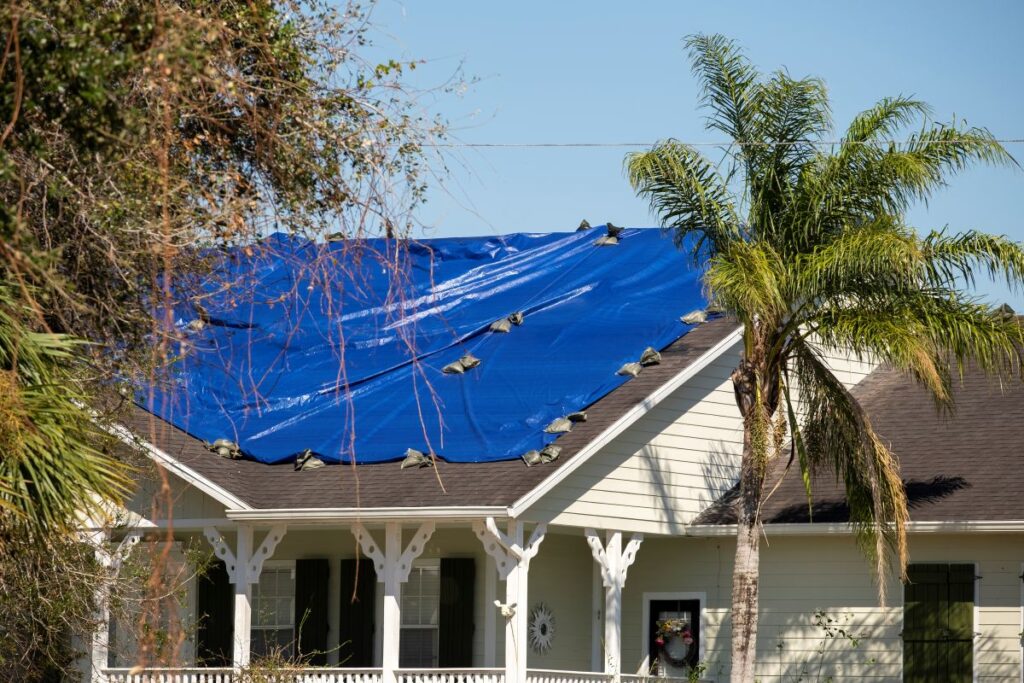
Your roof is the first line of defense in severe weather.
Steps to storm-proof your roof:
- Inspect for cracks, lifted shingles, and worn flashing
- Replace or reinforce weak areas
- Clean debris from roof valleys
- Ensure proper attic ventilation to prevent pressure buildup
- Consider impact-resistant shingles
Roof issues are often the most expensive storm repairs—preventive maintenance saves thousands.
9. Windows, Doors & Siding Protection
Protecting Windows
- Install storm shutters if available
- Use protective film to prevent shattering
- Close curtains or blinds to reduce flying glass hazards
Protecting Doors
- Check weather stripping
- Strengthen door hinges and latches
- Ensure exterior doors are properly sealed
Protecting Siding
Loose siding acts like a sail in high winds. Inspect for:
- Cracks
- Loose panels
- Gaps
Repair immediately.
10. Creating a Family Emergency Plan
Your family must know how to respond during severe weather.
Your emergency plan should include:
- Safe shelter locations inside the home
- A communication strategy
- A meeting point if separated
- A list of emergency contacts
- A plan for pets
- Instructions for turning off power, water, and gas
Practice the plan at least once per year.
11. Essential Emergency Supplies to Have on Hand
Create a 72-hour emergency kit containing:
- Flashlights and extra batteries
- Bottled water (2L per person per day)
- Non-perishable food
- First aid kit
- Portable power banks
- Medications
- Blankets
- Backup heating source
- Battery-powered radio
- Multi-tool
- Important documents (waterproofed)
12. What to Do During a Major Storm
Inside the home:
- Stay away from windows
- Move to the lowest level during tornado-like wind
- Avoid running water during lightning
- Unplug electronics
- Use flashlights instead of candles
If flooding begins:
- Move to higher ground
- Turn off electricity if safe
- Do NOT step into water if electrical components may be energized
13. What to Avoid During Severe Weather
- Do not go outside to “check the damage”
- Do not drive through flood water
- Do not use elevators during power outages
- Do not run generators indoors
- Do not ignore strange smells, smoke, or electrical noises
14. Steps to Take Immediately After the Storm
1. Check for immediate dangers
Look for downed power lines, gas smells, and exposed electrical components.
2. Take photos of all damage
This is crucial for insurance claims.
3. Contact your insurance provider
4. Call DKI – Central Alberta
They provide:
- Emergency tarping
- Board-up services
- Water extraction
- Structural drying
- Debris removal
- Damage documentation
- Full property restoration
5. Do NOT attempt risky cleanup
Storm-damaged structures can collapse unexpectedly.
15. How DKI – Central Alberta Helps After Storm Damage

DKI – Central Alberta is equipped to handle every kind of storm-related property damage, including:
Wind Damage Restoration
Repairing roofs, siding, fences, and structural areas impacted by high winds.
Hail Damage Repair
Restoring windows, shingles, exterior finishes, and more.
Water and Flood Damage Recovery
Using industrial-grade extraction, drying, and dehumidification equipment.
Impact Damage Repair
Fallen trees or debris can cause structural harm requiring expert rebuilding.
Mould Remediation
Storm moisture can trigger mould within 48 hours—proper containment is essential.
Contents Restoration
Protecting furniture, electronics, documents, and personal belongings from further damage.
Their certified team responds 24/7 and supports you from initial emergency response through complete reconstruction.
16. Frequently Asked Questions
How can I tell if my home is storm-ready?
Regular exterior inspections and proper grading are key indicators.
Is storm damage covered by insurance?
Usually, yes—but policies differ. Always review your coverage.
How quickly should I call a restoration company after storm damage?
Immediately. Delayed response increases repair costs.
Can I stay in my home after major storm damage?
It depends on structural safety, electrical integrity, and moisture levels.
How do I protect my home from hail?
Impact-resistant shingles and reinforced windows are the best defense.
17. Conclusion
Preparing your home for a major storm is essential for protecting your property, family, and long-term investment. Alberta’s weather is unpredictable, but the steps you take before a storm can significantly reduce damage and improve your recovery time.
Whether you need preventive guidance, emergency assistance, or full restoration after a storm, DKI – Central Alberta provides reliable, professional support 24/7.
From wind and hail damage to flooding and impact repairs, their certified team ensures your home is restored safely, efficiently, and to the highest standards.
Being proactive today prevents thousands of dollars in damage tomorrow.