
Winter in Central Alberta is long, harsh, and extremely dry. As temperatures drop well below freezing, indoor heating systems work overtime—which drastically reduces indoor humidity levels. It’s not uncommon for homes across Red Deer, Sylvan Lake, Lacombe, Stettler, Bowden, and Penhold to fall to 15–25% indoor humidity during peak winter months, far below the healthy recommended range of 30–50%.
When humidity levels drop too low, homeowners begin to notice:
- Dry skin, sore throat, nosebleeds
- Cracked lips and irritated eyes
- Static electricity and frizzy hair
- Warped hardwood flooring
- Cracked trim, drywall separation, and shrinking doors
- Dry air that exaggerates dust and allergens
- Increased heating costs
- Higher risk of respiratory infections
For homes with wood furniture, musical instruments, or expensive flooring, low humidity is even more damaging. Fortunately, the right humidification strategy can make your home healthier, more comfortable, more energy-efficient—and better protected during Alberta’s coldest months.
This full 2025 guide explains everything you need to know about humidifying your home for the winter and maintaining ideal indoor moisture.
Table of Contents
- Why Winter Air Is So Dry in Central Alberta
- Signs Your Home Needs More Humidity
- Recommended Indoor Humidity Levels in Winter
- Benefits of Humidifying Your Home
- Types of Humidifiers: Pros & Cons
- Whole-Home vs Portable Humidifiers
- How to Humidify Your Home Naturally
- How to Maintain Ideal Humidity Levels
- Dangers of Over-Humidifying Your Home
- Moisture, Mold & Property Damage
- How DKI – Central Alberta Helps With Moisture Damage
- Best Practices for Indoor Air Quality in Winter
- Common Questions About Winter Humidification
- Conclusion
1. Why Winter Air Is So Dry in Central Alberta
Central Alberta experiences some of the driest winters in Canada due to:
❄ Extremely low outdoor humidity
Cold air holds less moisture than warm air. Once it enters your home and is heated, the humidity drops significantly.
🔥 Constant furnace use
Furnaces heat air but remove moisture, drying out your entire home.
🏜 Lack of natural moisture sources
Plants, open water, and outdoor humidity disappear in winter.
🏠 Modern airtight homes
Newer homes retain heat well—but also trap dry air inside.
The result: indoor humidity can fall lower than the Sahara Desert.
2. Signs Your Home Needs More Humidity
If you’re experiencing any of the following, your home’s humidity is too low:
Physical Symptoms
- Dry, itchy skin
- Cracked fingers or heels
- Nosebleeds
- Worsening allergies
- Persistent static shocks
- Scratchy throat
Home Damage
- Cracking hardwood floors
- Shrinking baseboards or door frames
- Peeling paint
- Gaps between floorboards
- Warped furniture
- Chipped musical instruments
Everyday Annoyances
- Excess dust
- Dry, stale air
- Plants dying quickly
3. Recommended Indoor Humidity Levels for Winter
According to health and building experts, the ideal indoor humidity level for winter is:
➡ 30% to 40%
Humidifiers should maintain this range without exceeding it.
Why does it matter?
- Below 25%: Dry air causes property damage and health issues.
- 40–50%: Comfortable and healthy—ideal for most homes.
- Above 55%: Risk of mold growth, window condensation, and moisture damage.
The key is balanced humidity—not too dry, not too damp.
4. Benefits of Humidifying Your Home in Winter
1. Healthier breathing
Moist air soothes airways, reduces sinus irritation, and lowers the risk of respiratory illness.
2. Improved skin and comfort
Dry winter air is linked to eczema flare-ups, cracked lips, and skin dehydration.
3. Less static electricity
Humidifiers fix static shocks that damage electronics and annoy you every time you touch something.
4. Protects wood and furniture
Humidity protects:
- Hardwood floors
- Cabinets
- Trim and baseboards
- Wood tables
- Antique furniture
5. Helps your furnace work more efficiently
Humid air feels warmer, reducing heating costs.
6. Better sleep quality
Humidified air reduces throat dryness and snoring.
5. Types of Humidifiers: Pros & Cons (2025 Guide)
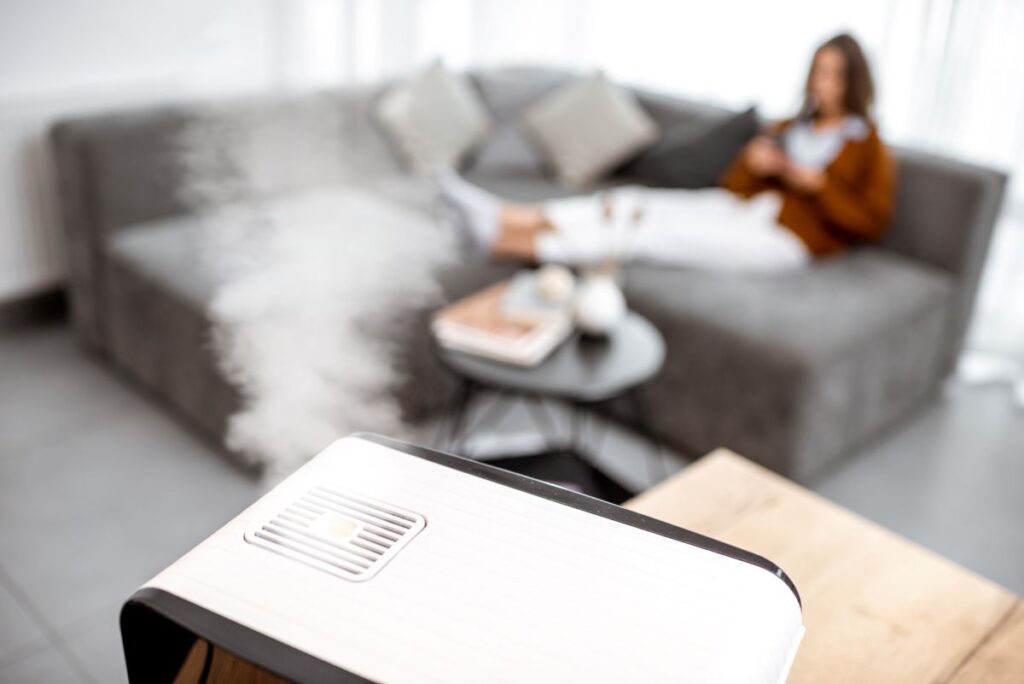
1. Warm Mist Humidifiers
Heat water to create steam.
Pros:
- Cleaner mist
- Kills bacteria
- Quiet
Cons:
- Higher energy use
- Not ideal for homes with kids/pets
2. Cool Mist Humidifiers
Evaporative wick with fan.
Pros:
- Safe for kids
- Energy efficient
- Adds moisture gradually
Cons:
- Requires regular filter replacement
3. Ultrasonic Humidifiers
Use vibration to create a fine mist.
Pros:
- Very quiet
- Energy efficient
- Powerful and effective
Cons:
- Mineral dust if not used with distilled water
4. Whole-Home Furnace Humidifiers
Installed directly into HVAC systems.
Pros:
- Most efficient long-term solution
- Fully automated
- Best for large homes
- Maintains steady humidity
Cons:
- Requires professional installation
- Higher upfront cost
6. Whole-Home vs Portable: Which Is Better?
Portable Humidifiers
✔ Great for small areas
✔ Affordable
✔ Easy to move
✘ Don’t cover full houses
✘ Require daily cleaning
Whole-Home Humidifiers
✔ Control humidity throughout entire home
✔ No tank refilling
✔ Work with furnace
✔ Prevent long-term property damage
✘ Higher initial cost
For Central Alberta homes, whole-home humidifiers are the most reliable option for long seasons of extreme dryness.
7. Natural Ways to Add Humidity to Your Home
If you don’t want to rely solely on humidifiers, try these:
1. Add houseplants
Plants naturally release moisture.
2. Boil water occasionally
Let steam circulate through the home.
3. Shower with the door open
Moisture spreads naturally.
4. Place bowls of water near heat vents
Evaporation improves humidity.
5. Dry clothes indoors occasionally
Adds moisture to air naturally.
These methods help but aren’t enough alone during deep winter.
8. How to Maintain Ideal Humidity Levels
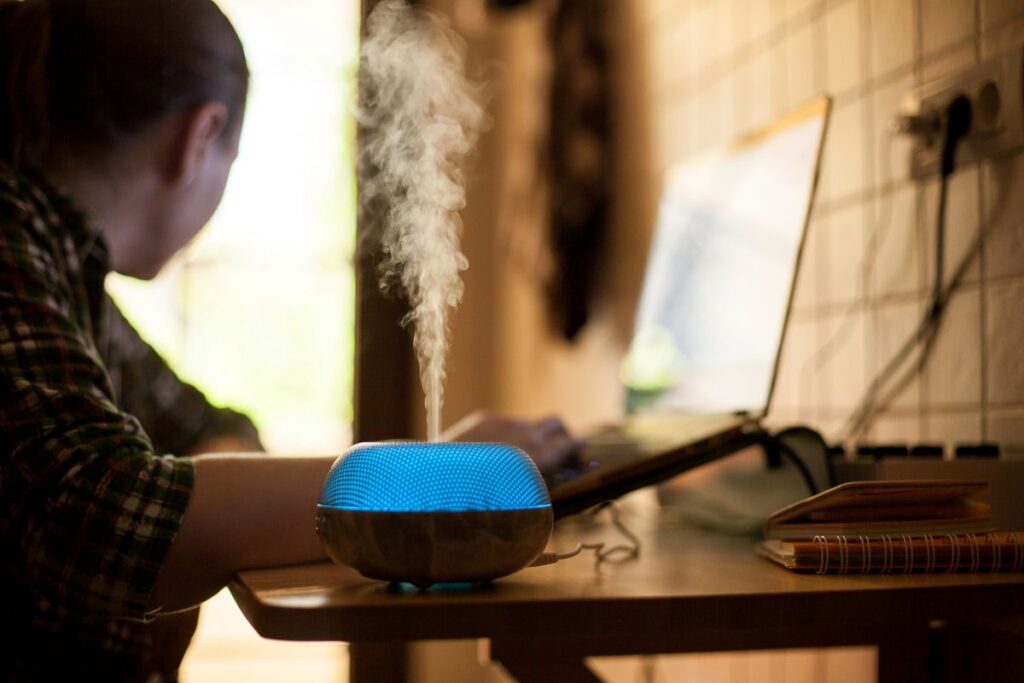
Use a hygrometer
A $10 digital humidity meter helps you adjust moisture levels properly.
Check windows for condensation
Condensation = too much humidity.
Increase moisture slowly
Humidify in increments to avoid sudden humidity jumps.
Clean humidifiers regularly
Prevents bacteria and mineral buildup.
9. Dangers of Over-Humidifying Your Home
Too much humidity is just as harmful as too little.
Problems include:
- Mold growth
- Condensation on windows
- Water damage on walls
- Peeling paint
- Rotting window frames
- Musty odors
- Increased allergens
A well-calibrated home humidity balance is essential.
10. Moisture, Mold & Property Damage
Too much humidity can cause:
- Mold growth within 48–72 hours
- Decaying wood
- Carpet and drywall moisture absorption
- Permanent staining
- Odors
- Structural weakness
Moisture damage is expensive, invasive, and dangerous to your health.
11. How DKI – Central Alberta Helps With Moisture-Related Damage
DKI – Central Alberta specializes in:
✔ Moisture Assessment
Thermal imaging and moisture meters find hidden water.
✔ Mold prevention and remediation
Certified technicians prevent mold spread after humidity imbalance.
✔ Structural drying
Industrial dehumidifiers, negative air machines, and air movers restore safe humidity.
✔ Contents restoration
Furniture, wood items, electronics, and documents can be restored.
✔ Full property restoration
If moisture causes structural issues, DKI rebuilds damaged sections professionally.
Humidity problems—whether too low or too high—can lead to property damage that requires expert restoration.
12. Best Practices for Winter Indoor Air Quality
- Clean furnace filters monthly
- Keep humidifiers sanitary
- Use exhaust fans when cooking or showering
- Avoid drying firewood indoors
- Ensure your HVAC system is serviced annually
- Install smart humidity sensors
Indoor air quality directly affects your comfort, health, and home longevity.
13. FAQ: Humidifying Your Home for Winter

What is the ideal humidity level in winter?
30–40%.
Why is my home so dry?
Heated indoor air lacks moisture.
Can too much humidity cause mold?
Yes—anything above 50–55% can trigger mold growth.
Do humidifiers help reduce static?
Absolutely. Static disappears at 35–40% humidity.
Does humidity make your home feel warmer?
Yes—humid air feels warmer, reducing heating bills.
How often should I clean my humidifier?
Every 2–3 days for portable models; monthly for whole-home units.
14. Conclusion
Humidifying your home for the winter is essential for comfort, health, and home protection—especially in Central Alberta, where winters are long and extremely dry. By maintaining balanced humidity levels, you:
- Protect your property
- Improve health and comfort
- Reduce heating costs
- Prevent long-term damage
- Create a safer indoor environment
Whether you use portable units, natural methods, or a whole-home humidifier, keeping indoor humidity between 30–40% is key.
If winter dryness or moisture imbalance has already caused damage, DKI – Central Alberta is ready to restore your home safely and professionally. Contact us today.