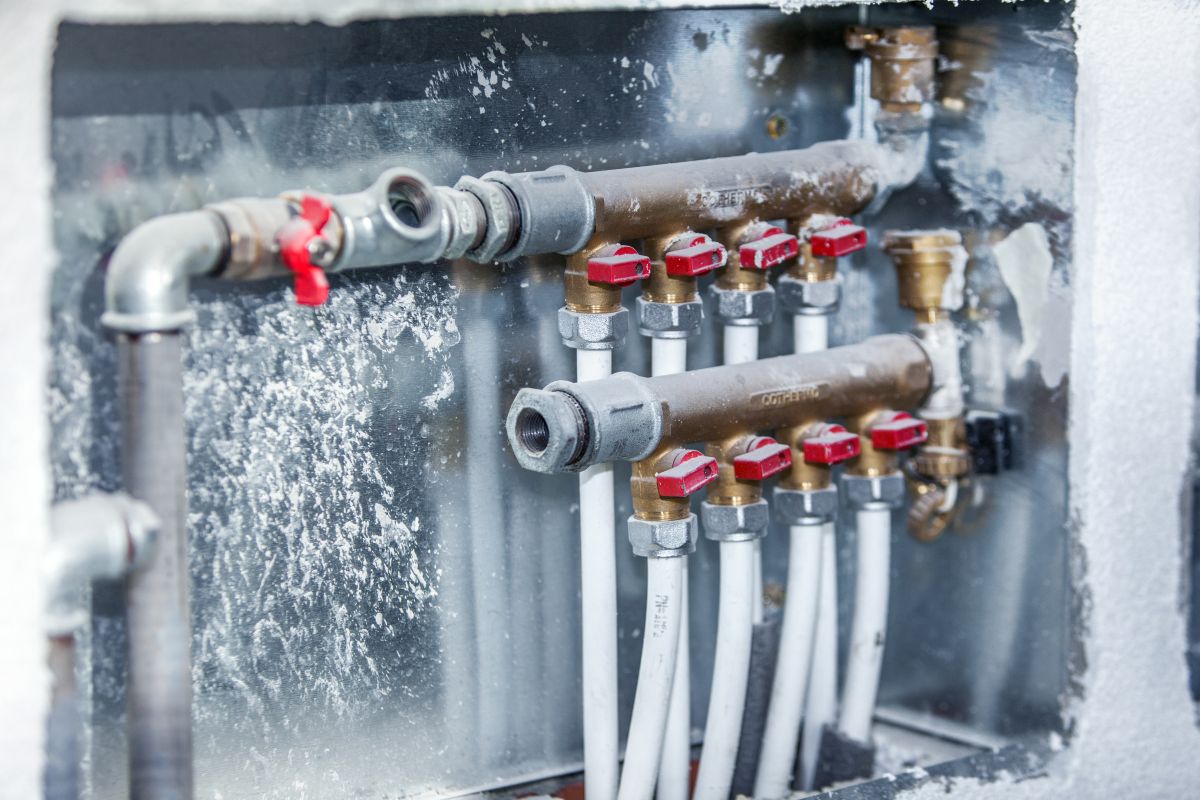
Winter in Central Alberta is unforgiving. With temperatures frequently plunging below –20°C and wind chills that can freeze exposed skin in minutes, it’s no surprise that frozen pipes are one of the most common and costly winter emergencies for homeowners. A frozen pipe is far more than just a temporary inconvenience—it’s a ticking time bomb. As ice expands inside your plumbing, pressure builds, and one small crack can unleash hundreds of litres of water, leading to:
- Flooding
- Structural damage
- Mold and mildew growth
- Ruined flooring, drywall, and insulation
- Thousands of dollars in repair and cleanup
The good news? Frozen pipes can often be thawed safely—if you act fast, follow the correct steps, and know when to call a professional.
This complete guide will walk you through everything you need to know:
Table of Contents
- What Causes Pipes to Freeze?
- Where Frozen Pipes Most Commonly Occur
- How to Tell If Your Pipes Are Frozen
- Immediate Steps to Take When Your Pipes Freeze
- How to Safely Thaw Frozen Pipes (Step-by-Step)
- What NOT to Do When Thawing Frozen Pipes
- Signs Your Frozen Pipe Has Burst
- What to Do If Your Pipe Bursts
- How DKI – Central Alberta Handles Frozen-Pipe Damage
- Insurance Coverage: Are Frozen Pipes Covered?
- How to Prevent Frozen Pipes in Central Alberta Winters
- Products & Tools That Can Help Prevent Freezing
- FAQ: Frozen Pipes in 2025
- Conclusion
1. What Causes Pipes to Freeze?
Pipes freeze when the temperature around them drops below 0°C, causing water inside to turn to ice. As the ice expands, pressure increases inside the pipe—eventually leading to cracks, leaks, or full ruptures.
Major causes include:
❄ Poor insulation
Pipes in unheated basements, crawl spaces, attics, and garages are most vulnerable.
❄ Cold drafts
Even a small gap in an exterior wall can expose a section of pipe to subzero temperatures.
❄ Extended power outages
Without heat, interior temperatures can drop quickly, freezing pipes in just a few hours.
❄ Thermostats set too low
Lowering heat overnight can unintentionally allow plumbing to freeze.
2. Where Frozen Pipes Most Commonly Occur
In Central Alberta homes—especially those in Red Deer, Lacombe, Sylvan Lake, Stettler, Bowden, and Penhold—frozen pipes often occur in:
- Exterior walls
- Basements and crawl spaces
- Unheated garages
- Under sinks
- Near windows and vents
- Attics
- Mobile homes and older properties
Any pipe exposed to cold air is at risk.
3. How to Tell If Your Pipes Are Frozen
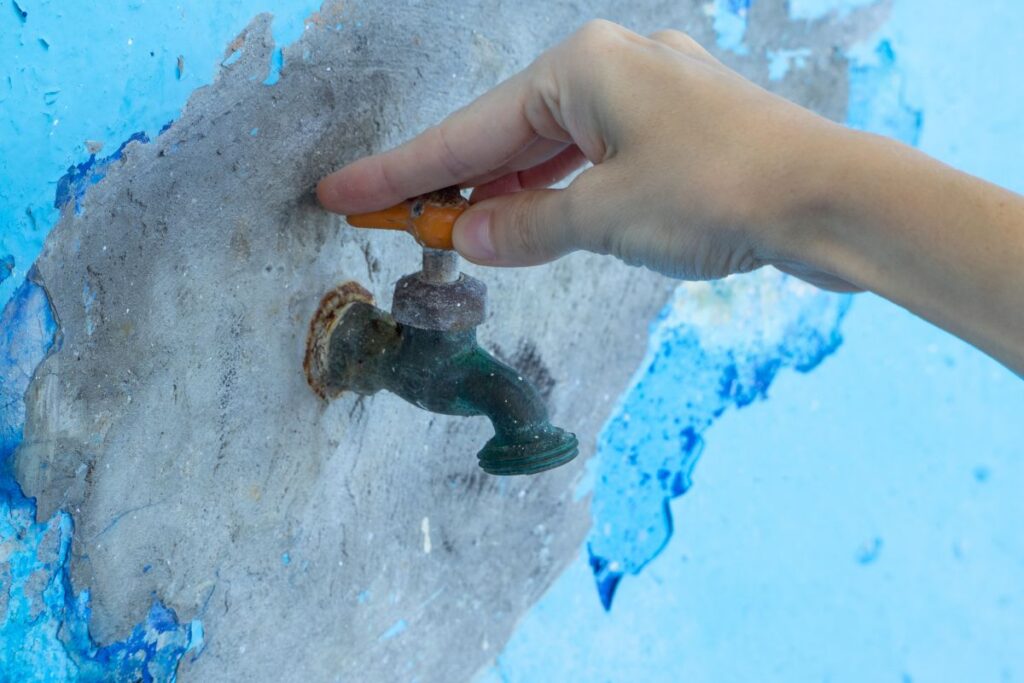
Before a pipe bursts, there are warning signs. Look for:
🚱 Sudden drop in water flow
Your faucet barely trickles—or doesn’t flow at all.
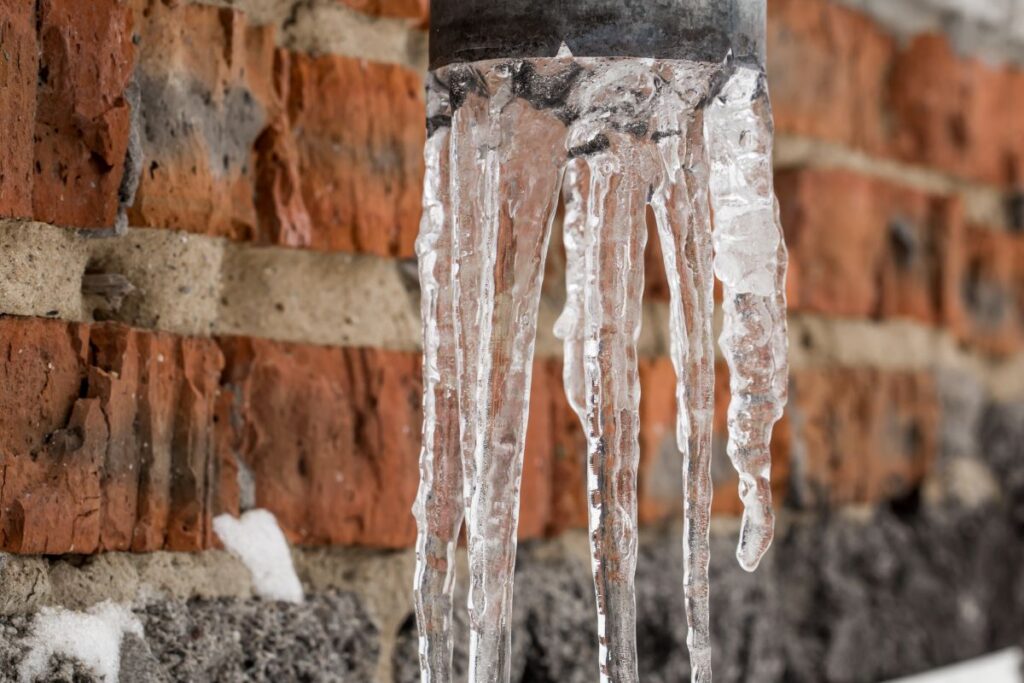
❄ Frost on exposed pipes
Visible ice buildup is a major red flag.
🏠 Cold spots on walls
Especially near plumbing lines.
🔊 Strange noises
Clanging or banging as ice shifts inside the pipe.
🛁 Toilets not refilling
Frozen supply lines often stop the tank from refilling.
If you see any of these signs, assume your pipes are frozen and act quickly.
4. Immediate Steps to Take When Your Pipes Freeze
Step 1: Turn on the faucet
Even a small flow helps release pressure and melt ice.
Step 2: Open all cabinet doors
Especially under sinks—this helps warm air reach pipes.
Step 3: Increase the heat inside your home
Raise your thermostat to at least 21–23°C.
Step 4: Locate the frozen section
Look for cold areas or frost along the plumbing.
Step 5: Shut off the main water valve if you suspect a burst
If you hear dripping inside walls or ceilings—or see moisture—turn off water immediately.
5. How to Safely Thaw Frozen Pipes (Step-by-Step)
You can often thaw the pipe yourself if it hasn’t burst.
🔌 Method 1: Use a hair dryer
The safest and most recommended method.
- Turn faucet on.
- Start at the faucet end and work toward the frozen section.
- Move slowly and evenly—never overheat.
🔦 Method 2: Use a heat lamp or space heater
But keep it a safe distance from walls, cabinets, and flammable materials.
🧣 Method 3: Wrap pipe with warm towels
Soak towel in hot water, wring it out, then wrap around pipe.
⚠ Method 4: Use a heating cable
Follow manufacturer instructions carefully.
6. What NOT to Do When Thawing Frozen Pipes
These dangerous methods can cause fires or pipe damage:
❌ Do NOT use an open flame (propane torch, lighter, etc.)
❌ Do not use blowtorches or welding equipment
❌ Do not apply boiling water directly to pipes
❌ Do not leave space heaters unattended
❌ Do not attempt to thaw pipes inside walls with heat guns
Every year, dozens of home fires in Canada start from improper thawing.
7. Signs Your Frozen Pipe Has Burst
You may not always see the burst immediately. Look for:
- Water stains on walls or ceilings
- The sound of dripping behind walls
- Sudden loss of water pressure
- Puddles under sinks or in the basement
- A musty smell
- Increased water bills
If you suspect a burst pipe—shut off the main valve and call professionals immediately.
8. What to Do If Your Pipe Bursts
1. Shut off the main water supply
This stops further flooding.
2. Turn off electricity in the affected area
Especially if water is leaking near outlets.
3. Document the damage
Take photos and videos for insurance.
4. Call a water damage restoration company
DKI – Central Alberta can respond 24/7.
5. Remove valuables and furniture from affected areas
If safe to do so.
6. Begin drying immediately
Use fans and open windows until professionals arrive.
9. How DKI – Central Alberta Handles Frozen-Pipe Water Damage
As a full-service property restoration and disaster restoration company, DKI – Central Alberta provides:
✔ 24/7 emergency response
For sudden floods and burst pipes.
✔ Water extraction and structural drying
Using commercial-grade air movers, dehumidifiers, and moisture meters.
✔ Infrared thermal imaging
To locate hidden moisture inside walls and ceilings.
✔ Mold prevention and remediation
Moisture from frozen pipes can lead to mold in as little as 48 hours.
✔ Repairs and reconstruction
From drywall replacement to full rebuilds.
✔ Contents restoration
Cleaning, drying, and restoring damaged belongings.
Their certified technicians serve homes across Central Alberta—including Red Deer, Stettler, Sylvan Lake, Lacombe, and surrounding communities.
10. Insurance Coverage: Are Frozen Pipes Covered?
In most cases, yes, insurance covers:
- Burst pipes
- Water damage from sudden pipe failure
- Restoration and drying
- Repairing walls, floors, ceilings
Most policies do NOT cover:
- Damage caused by negligence
- Frozen pipes in unheated or unattended homes
- Gradual damage
- Preventable maintenance issues
Always review your policy and contact your insurer immediately after an incident.
11. How to Prevent Frozen Pipes in Central Alberta Winters
🌡 Keep your thermostat above 18°C
Even when you’re away.
🧵 Insulate exposed pipes
In basements, garages, and crawl spaces.
🚪 Open cabinet doors during deep freezes
To circulate warm air under sinks.
🚰 Let faucets drip slightly
Moving water is less likely to freeze.
🏡 Seal cracks and drafts
Use caulking and insulation around:
- Windows
- Doors
- Electrical conduits
- Hose bibs
💧 Disconnect and drain outdoor hoses
And turn off outdoor taps.
🎛 Install a leak detection system
Smart sensors alert you before damage spreads.
12. Tools & Products That Help Prevent Frozen Pipes
- Pipe insulation sleeves
- Heat cables
- Smart leak detectors
- Frost-free outdoor faucets
- Space heaters for garages
- Thermostatic shut-off valves
13. FAQ: Frozen Pipes in 2025
How long does it take for pipes to freeze?
In extreme cold, as little as 2–6 hours.
Will a frozen pipe thaw on its own?
Possibly—but waiting increases the risk of bursting.
Can PVC pipes freeze?
Yes. All plumbing materials are vulnerable.
Should I call a plumber or restoration company?
If your pipe hasn’t burst, call a plumber.
If water damage has occurred, call DKI – Central Alberta first.
14. Conclusion
Frozen pipes are one of the most stressful winter emergencies Central Alberta homeowners face, but with quick action and the right steps, you can minimize damage and avoid costly repairs. If the worst happens, DKI – Central Alberta has the equipment, expertise, and rapid-response capability to restore your home quickly and safely.