
A burst pipe, overflowing toilet, appliance failure, or ceiling leak can release hundreds of litres of water into your home in minutes. In those moments, knowing how to turn off your main water shut-off valve can prevent catastrophic damage.
In Central Alberta—where frozen pipes are common during extreme winter temperatures—water shut-off knowledge is essential for every homeowner. Quick action can mean the difference between minor repairs and major structural restoration.
This comprehensive 2025 guide explains:
- Where to find your main water shut-off valve
- How to safely turn it off
- What tools you may need
- What to do if the valve is stuck
- When to call professionals like DKI Central Alberta
Table of Contents
- Why Knowing Your Water Shut-Off Valve Matters
- What Is a Main Water Shut-Off Valve?
- Common Locations in Alberta Homes
- Step-by-Step: How to Turn Off the Main Water Valve
- Types of Water Shut-Off Valves
- What to Do After Turning Off the Water
- When to Shut Off Water Immediately
- What If the Valve Is Stuck or Broken?
- Water Shut-Off in Apartments & Condos
- Preventing Frozen Pipes in Alberta
- When to Call DKI Central Alberta
- Frequently Asked Questions
- Conclusion
1. Why Knowing Your Water Shut-Off Valve Matters
Water damage spreads quickly. Within minutes, water can:
- Soak drywall and insulation
- Damage electrical wiring
- Warp hardwood floors
- Cause ceiling collapse
- Lead to mould growth within 24–48 hours
Turning off the main water supply stops active flooding and limits property damage.
2. What Is a Main Water Shut-Off Valve?
The main shut-off valve controls the flow of water entering your home from the municipal supply. Once closed, no additional water enters your plumbing system.
This valve is separate from fixture-level shut-offs (such as under sinks or behind toilets).
3. Common Locations in Alberta Homes
In Central Alberta homes, the main shut-off valve is typically located:
- In the basement near the foundation wall
- Close to where the main water line enters the home
- Near the hot water tank
- Inside a mechanical room
- In crawl spaces
- Near the front foundation wall
In some homes, an additional exterior shut-off may exist near the property line.
If you’re unsure, check your home inspection report.
4. Step-by-Step: How to Turn Off the Main Water Valve
Step 1: Locate the Valve
Find where the main water line enters your home.
Step 2: Identify the Valve Type
Most homes have either:
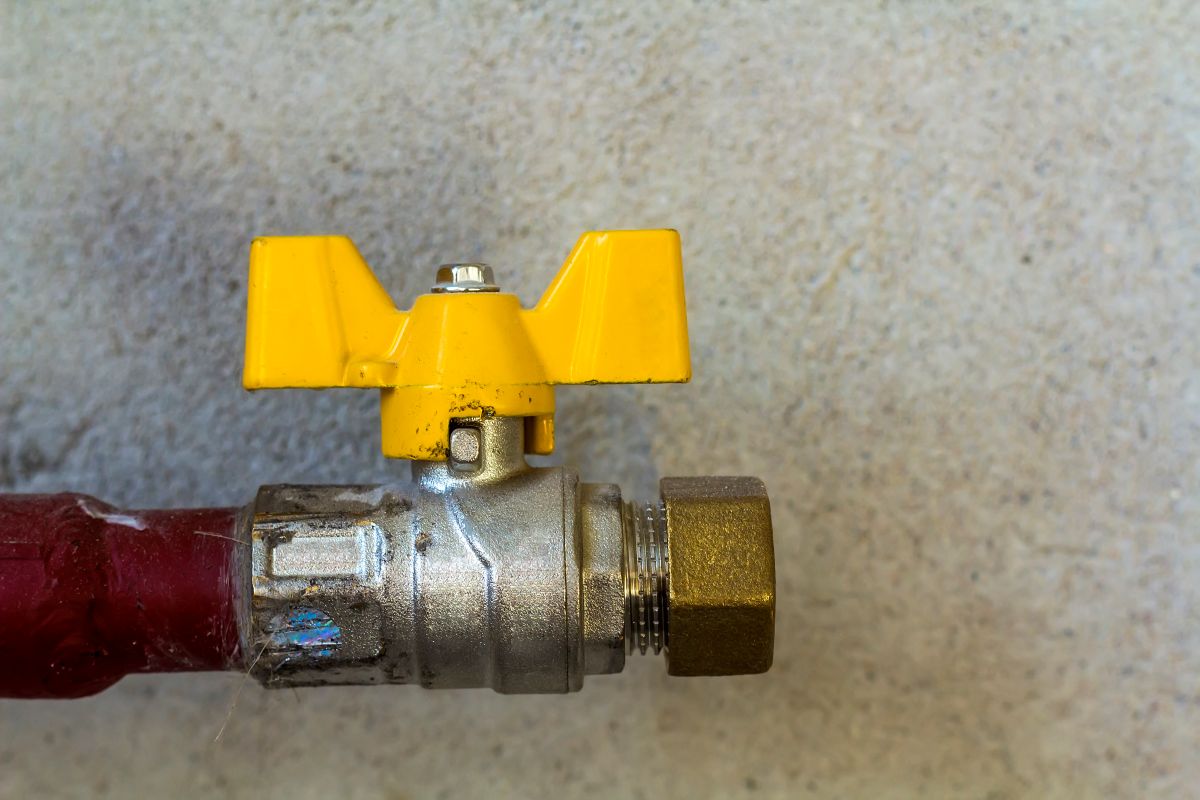
- A ball valve (lever handle)
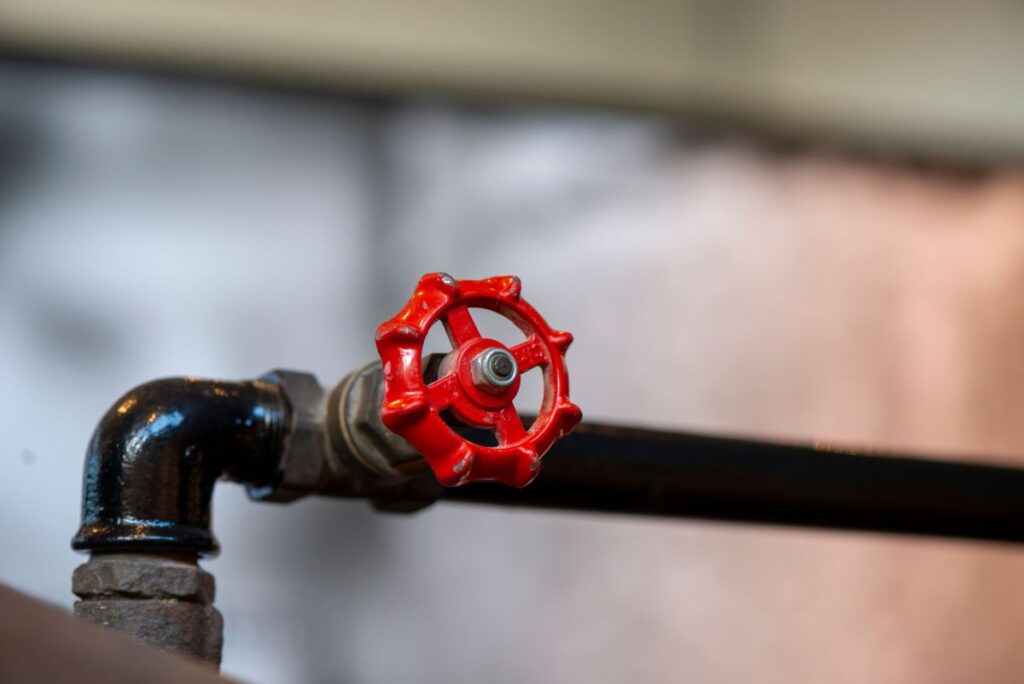
- A gate valve (round wheel handle)
Step 3: Turn Off the Valve
If it’s a ball valve:
Turn the lever 90 degrees so it is perpendicular to the pipe.
If it’s a gate valve:
Turn the wheel clockwise until it stops.
Step 4: Confirm It’s Off
Turn on a faucet. If no water flows, the valve is successfully closed.
5. Types of Water Shut-Off Valves
Ball Valve
- Modern
- Easy to operate
- Durable
- Quick quarter-turn shut-off
Gate Valve
- Older style
- Requires multiple turns
- Can seize over time
- More prone to failure
Many Alberta homes built before the 1990s still use gate valves.
6. What to Do After Turning Off the Water
After shutting off the main supply:
- Open the lowest faucet in the house to drain remaining water.
- Turn off water heaters to prevent overheating.
- Contain any active leaks.
- Document damage for insurance purposes.
- Contact restoration professionals if flooding occurred.
7. When to Shut Off Water Immediately
Turn off your water immediately if you notice:
- Burst or frozen pipes
- Active flooding
- Water spraying from walls or ceilings
- Overflowing appliances
- Major plumbing leaks
- Sudden loss of water pressure
- Water meter spinning when no fixtures are running
Quick action minimizes structural damage.
8. What If the Valve Is Stuck or Broken?
Valves that haven’t been used in years may seize.
If stuck:
- Do not force it aggressively
- Apply penetrating lubricant
- Use adjustable pliers carefully
- Avoid over-tightening
If it breaks or leaks after turning, call a plumber immediately.
If the valve completely fails, you may need to contact your municipality for curb stop shut-off assistance.
9. Water Shut-Off in Apartments & Condos
In multi-unit buildings:
- Each unit may have its own shut-off valve.
- A building-wide shut-off may be controlled by property management.
- Contact management immediately during an emergency.
Know your building’s emergency protocol in advance.
10. Preventing Frozen Pipes in Alberta
Frozen pipes are one of the leading causes of emergency shut-offs in Central Alberta.
Prevention tips:
- Keep thermostat above 18°C
- Insulate exposed pipes
- Seal cracks and drafts
- Allow faucets to drip during extreme cold
- Open cabinet doors to circulate warm air
- Install pipe heating cables
Being proactive reduces winter emergency risks.
11. When to Call DKI Central Alberta

If water damage has already occurred, turning off the valve is only the first step.
DKI Central Alberta provides:
- 24/7 emergency water extraction
- Structural drying
- Moisture mapping
- Mould prevention
- Ceiling and drywall repairs
- Insurance documentation support
- Full reconstruction services
Serving Red Deer, Sylvan Lake, Lacombe, Stettler, Bowden, Penhold, and surrounding areas.
12. Frequently Asked Questions
How long does it take for water damage to cause mould?
24–48 hours in many cases.
Should I shut off water when going on vacation?
Yes, especially during winter months.
Can turning off the valve damage plumbing?
No—unless the valve is defective.
How often should I test the shut-off valve?
Once or twice per year to ensure functionality.
13. Conclusion
Knowing how to find and turn off your main water shut-off valve is one of the most important emergency preparedness steps every homeowner should take. In a plumbing emergency, seconds matter.
By acting quickly, you can prevent severe water damage, protect your property, and reduce costly repairs.
If water damage has already occurred, DKI Central Alberta is ready to respond 24/7 with professional restoration services to fully restore your home.