
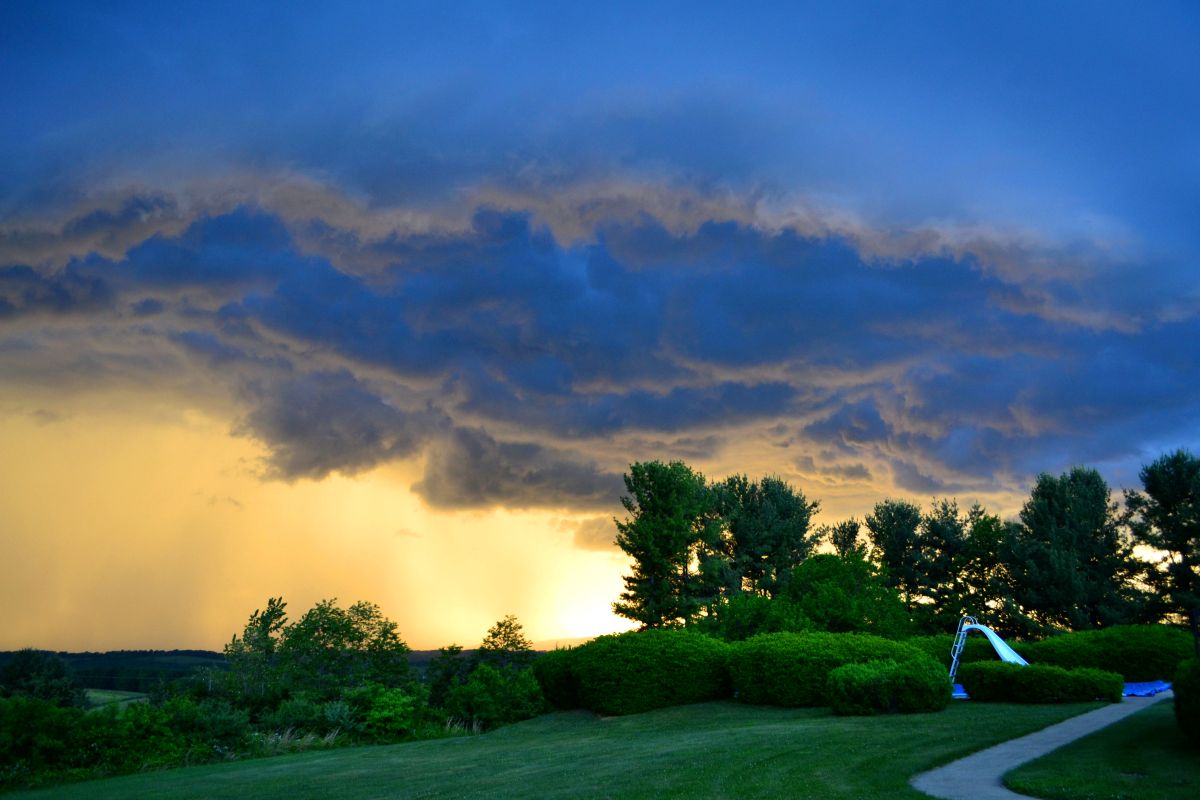
Summer in Alberta brings warm weather, longer days, and outdoor activities—but it also brings some of the most intense weather events of the year. Severe thunderstorms across Central Alberta can develop quickly, producing heavy rain, strong winds, lightning, hail, and flash flooding.
For homeowners and businesses in communities such as Red Deer, Sylvan Lake, Lacombe, Stettler, Bowden, and Penhold, these storms can cause sudden and significant property damage. From broken windows and damaged roofs to flooded basements and fallen trees, the effects of severe thunderstorms can be costly and stressful.
Understanding how to prepare for summer storms—and knowing what steps to take if damage occurs—can help protect your property and minimize long-term restoration costs.
This guide explains the risks associated with Alberta thunderstorms and provides practical strategies to safeguard your home or business.
Table of Contents
- Why Summer Thunderstorms Are Common in Alberta
- Types of Storm Damage Homeowners Should Expect
- Warning Signs of Severe Thunderstorms
- Preparing Your Home Before a Thunderstorm
- Protecting Your Roof and Exterior
- Preventing Flood and Water Damage
- Lightning Safety and Electrical Protection
- What to Do During a Thunderstorm
- What to Do Immediately After a Storm
- Hidden Damage Many Homeowners Miss
- Storm Damage and Insurance Claims
- How DKI Central Alberta Helps After Storm Damage
- Frequently Asked Questions
- Conclusion
1. Why Summer Thunderstorms Are Common in Alberta
Alberta’s geography plays a major role in severe summer weather. Warm air moving north from the United States collides with cooler air descending from the Rocky Mountains, creating unstable atmospheric conditions that produce thunderstorms.
Central Alberta is particularly vulnerable to storms that develop rapidly and intensify within minutes.
Common summer storm characteristics include:
- Sudden high winds exceeding 80–100 km/h
- Large hailstones capable of damaging roofs and vehicles
- Heavy rainfall causing localized flooding
- Frequent lightning strikes
- Flying debris from strong gusts
These conditions can create serious risks for both residential and commercial properties.
2. Types of Storm Damage Homeowners Should Expect
Thunderstorms can affect nearly every part of your property.
Roof Damage
High winds and hail can loosen or remove shingles, allowing water to penetrate the roof structure.
Window and Siding Damage
Flying debris or hail can crack windows and dent siding.
Basement Flooding
Heavy rainfall can overwhelm drainage systems and lead to basement water intrusion.
Fallen Trees and Branches
Strong winds may knock over trees or large branches onto roofs, vehicles, or fences.
Electrical Damage
Lightning strikes can damage wiring, appliances, and electronic devices.
The severity of damage depends on storm intensity and the condition of your home.
3. Warning Signs of Severe Thunderstorms
Recognizing storm warnings early allows homeowners to take protective action.
Common warning signs include:
- Dark, rapidly building clouds
- Sudden drops in temperature
- Increasing wind speeds
- Thunder heard in the distance
- Weather alerts from Environment Canada
If severe weather warnings are issued, it is best to secure your property immediately.
4. Preparing Your Home Before a Thunderstorm
Preparation is one of the most effective ways to reduce storm damage.
Secure Outdoor Objects
Loose items such as patio furniture, BBQs, planters, and garbage bins can become dangerous projectiles in strong winds.
Inspect Your Roof
Check for missing or loose shingles and repair any damage before storm season begins.
Clean Gutters and Downspouts
Clogged gutters prevent proper drainage and increase the risk of water entering your home.
Trim Trees and Branches
Remove weak or dead branches that could fall during strong winds.
Check Window Seals
Properly sealed windows reduce the chance of water infiltration during heavy rain.
5. Protecting Your Roof and Exterior

Your roof and exterior walls are your home’s first defense against thunderstorms.
Steps to improve protection include:
- Installing impact-resistant shingles
- Reinforcing roof flashing and vents
- Inspecting siding for loose panels
- Installing storm shutters where necessary
- Ensuring attic ventilation is functioning properly
Regular exterior maintenance significantly reduces storm vulnerability.
6. Preventing Flood and Water Damage
Flooding is one of the most common consequences of severe summer storms.
To protect your home:
- Install a sump pump with battery backup
- Ensure downspouts extend at least 1.5–2 meters away from the foundation
- Seal foundation cracks
- Install window well covers
- Maintain proper yard grading so water flows away from the home
These steps can greatly reduce the risk of basement flooding during heavy rain.
7. Lightning Safety and Electrical Protection
Lightning strikes are common during summer thunderstorms and can cause electrical fires or damage appliances.
Safety tips include:
- Unplug sensitive electronics during storms
- Install surge protectors
- Avoid using plumbing fixtures during lightning events
- Stay away from windows and exterior doors
Lightning-related electrical damage is often covered by home insurance policies.
8. What to Do During a Thunderstorm
If a severe thunderstorm occurs:
- Stay indoors and avoid unnecessary travel
- Move away from windows and glass doors
- Avoid using electrical appliances
- Monitor weather updates
- Keep flashlights ready in case of power outages
Remaining indoors during severe weather is the safest option.
9. What to Do Immediately After a Storm
Once the storm has passed:
Inspect Your Property Safely
Look for visible damage to the roof, siding, fences, and windows.
Check for Water Intrusion
Inspect basements, ceilings, and walls for signs of moisture or leaks.
Document Damage
Take photos for insurance claims before beginning any cleanup.
Avoid Hazardous Areas
Downed power lines or unstable structures should only be handled by professionals.
10. Hidden Damage Many Homeowners Miss
Storm damage is not always immediately visible.
Hidden problems may include:
- Small roof punctures allowing slow leaks
- Water trapped behind drywall
- Moisture inside insulation
- Cracked foundation walls
- Damaged attic ventilation
If left untreated, these issues can lead to mould growth or structural deterioration.
11. Storm Damage and Insurance Claims
Many homeowner insurance policies cover damage caused by severe weather events such as:
- Windstorms
- Hail damage
- Fallen trees
- Sudden water intrusion
However, coverage details vary by policy. Always contact your insurer promptly after a storm and provide documentation of damage.
12. How DKI Central Alberta Helps After Storm Damage

When severe weather causes property damage, DKI Central Alberta provides professional restoration services throughout Central Alberta, including:
Services Include
- Emergency storm response
- Roof tarping and board-ups
- Water extraction and structural drying
- Wind and impact damage repair
- Mould prevention and remediation
- Full reconstruction and restoration
Their experienced technicians work quickly to stabilize damaged properties and restore homes safely and efficiently.
13. Frequently Asked Questions
How common are severe thunderstorms in Alberta?
Thunderstorms occur frequently during summer, especially between June and August.
Can hail damage a roof without visible signs?
Yes. Even small hail can weaken shingles and shorten roof lifespan.
Should I inspect my roof after every storm?
It is recommended, especially after storms with strong winds or hail.
How quickly should water damage be addressed?
Water damage should be addressed within 24–48 hours to prevent mould growth.
14. Conclusion
Summer thunderstorms are a regular part of life in Alberta, but the damage they cause does not have to be inevitable. By preparing your home, maintaining your property, and responding quickly after severe weather, you can significantly reduce the risks associated with storms.
If your home experiences storm-related damage, DKI Central Alberta offers reliable emergency restoration services to help restore your property and peace of mind.