
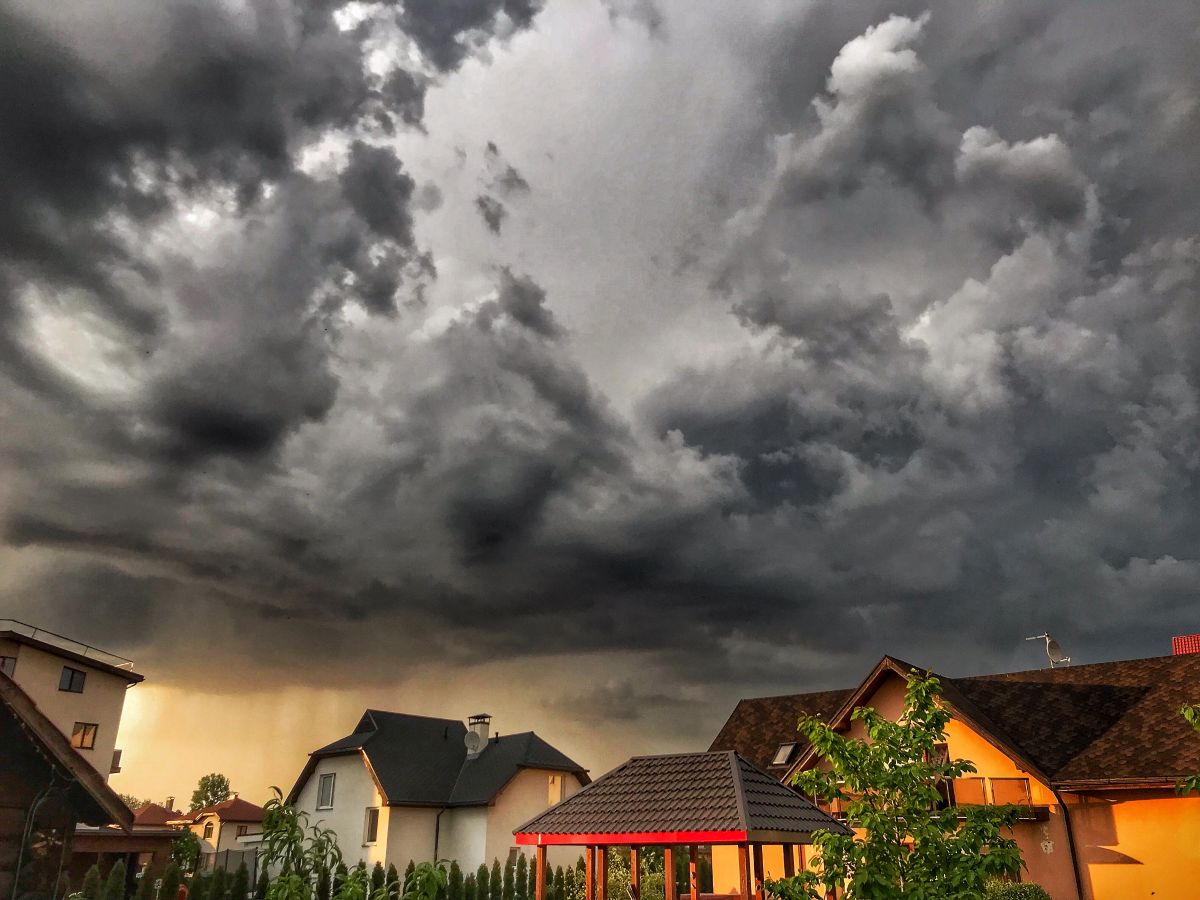
Summer storms in Alberta can develop quickly and cause significant damage to residential and commercial properties. High winds, hail, heavy rain, and lightning often strike with little warning, leaving homeowners to deal with broken shingles, roof leaks, and structural damage.
For communities across Central Alberta—including Red Deer, Lacombe, Sylvan Lake, Stettler, Bowden, and Penhold— severe summer storms are one of the most common causes of property restoration calls.
When your roof is damaged during a storm, acting quickly is essential. Immediate action helps prevent additional problems such as water infiltration, mould growth, and interior structural damage.
This guide explains what to do after a summer storm damages your roof, how to identify warning signs of roof damage, and when to contact restoration professionals like DKI Central Alberta.
Table of Contents
- Why Summer Storms Frequently Damage Roofs in Alberta
- Common Types of Storm Damage to Roofs
- Warning Signs Your Roof Was Damaged
- Immediate Steps to Take After Storm Damage
- How to Inspect Your Roof Safely
- Temporary Measures to Prevent Water Damage
- Hidden Roof Damage Homeowners Often Miss
- How Storm Damage Leads to Interior Water Damage
- Insurance and Storm Damage Claims
- Preventing Future Storm Damage
- How DKI Central Alberta Helps After Roof Storm Damage
- Frequently Asked Questions
- Conclusion
1. Why Summer Storms Frequently Damage Roofs in Alberta
Alberta’s summer weather patterns create ideal conditions for severe thunderstorms. Warm air colliding with cooler air from the Rocky Mountains produces powerful storm systems capable of generating:
- Strong winds exceeding 90 km/h
- Large hailstones
- Heavy rainfall
- Lightning strikes
These conditions place enormous stress on roofing materials, particularly older shingles or poorly maintained roofs.
Storm damage can occur suddenly and worsen quickly if not addressed.
2. Common Types of Storm Damage to Roofs
Summer storms can damage roofs in several ways.
Hail Damage
Hailstones can crack or bruise asphalt shingles, exposing underlying materials to moisture.
Wind Damage
Strong gusts can lift or completely remove shingles, leaving vulnerable areas exposed.
Falling Debris
Branches or trees blown by wind may strike the roof.
Water Penetration
Heavy rain can enter through damaged areas and spread through attic insulation and ceilings.
Flashing Damage
Roof flashing around vents and chimneys may loosen or crack.
Each of these issues can lead to serious water damage if left untreated.
3. Warning Signs Your Roof Was Damaged
After a storm, inspect your property for these indicators:
- Missing or curled shingles
- Granules accumulating in gutters
- Dents in gutters or metal roof components
- Water stains on ceilings or walls
- Debris on the roof
- Sagging roof sections
Even minor damage can allow moisture to enter your home.
4. Immediate Steps to Take After Storm Damage
If you suspect roof damage after a summer storm, follow these steps:
Step 1: Stay Safe
Avoid climbing onto the roof immediately, especially if conditions are still wet or windy.
Step 2: Check for Interior Leaks
Inspect ceilings, attics, and walls for signs of moisture.
Step 3: Document the Damage
Take clear photos and videos of visible damage for insurance purposes.
Step 4: Prevent Additional Water Entry
Place buckets under leaks and move valuables away from affected areas.
Step 5: Contact Restoration Professionals
Quick professional intervention helps prevent larger structural issues.
5. How to Inspect Your Roof Safely
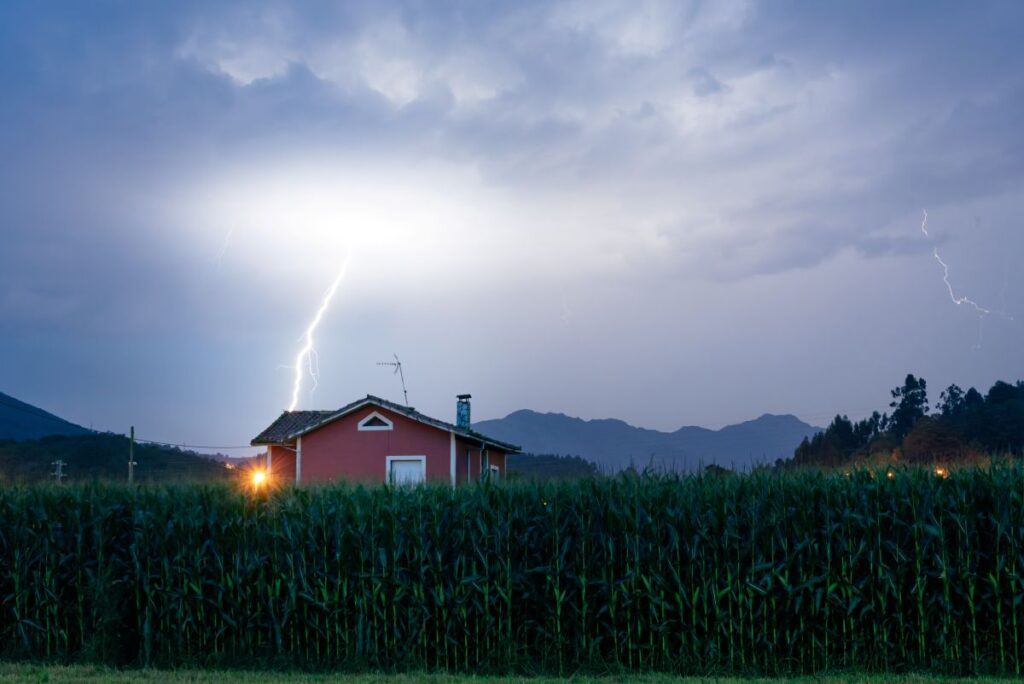
While a full inspection should be conducted by professionals, homeowners can perform a preliminary check from the ground.
Look for:
- Shingle pieces in the yard
- Bent flashing
- Damaged gutters
- Fallen tree branches
Using binoculars can help identify obvious issues without risking injury.
6. Temporary Measures to Prevent Water Damage
If your roof has sustained damage, temporary protection can help limit further problems.
Temporary solutions may include:
- Roof tarping
- Sealing exposed areas
- Covering leaks inside the home
- Improving attic ventilation to reduce moisture buildup
These measures should only serve as short-term protection until professional repairs can be completed.
7. Hidden Roof Damage Homeowners Often Miss
Some storm damage is not immediately visible.
Hidden problems may include:
- Micro-cracks in shingles
- Water trapped in insulation
- Moisture buildup in attic structures
- Damaged underlayment
Without proper inspection, these hidden issues may cause mould growth or structural deterioration.
8. How Storm Damage Leads to Interior Water Damage
Once water enters the roof structure, it can travel through multiple layers of the home.
Common areas affected include:
- Attic insulation
- Ceiling drywall
- Electrical systems
- Wall cavities
- Flooring
Moisture trapped inside building materials creates conditions for mould growth within 24 to 48 hours.
9. Insurance and Storm Damage Claims
Most homeowner insurance policies cover sudden storm damage caused by:
- Wind
- Hail
- Falling trees
- Lightning
However, policies usually do not cover damage caused by neglect or lack of maintenance.
To support your claim:
- Document damage immediately
- Avoid discarding damaged materials
- Keep records of repairs and mitigation efforts
Working with experienced restoration professionals can simplify the insurance process.
10. Preventing Future Storm Damage
While storms cannot be prevented, homeowners can reduce damage risk through regular maintenance.
Roof Maintenance Tips
- Inspect the roof annually
- Replace damaged shingles quickly
- Keep gutters clean
- Trim nearby tree branches
- Ensure attic ventilation is working properly
Preventive maintenance helps your roof withstand severe weather more effectively.
11. How DKI Central Alberta Helps After Roof Storm Damage

When severe weather damages your roof, DKI Central Alberta provides comprehensive restoration services across Central Alberta.
Their services include:
- Emergency roof tarping
- Water extraction and drying
- Structural drying
- Mould prevention
- Debris removal
- Roof and structural repairs
- Insurance claim support
Serving communities including Red Deer, Lacombe, Sylvan Lake, Stettler, Bowden, and Penhold, the team responds quickly to protect homes and restore properties after storm events.
12. Frequently Asked Questions
How soon should roof damage be repaired after a storm?
Repairs should begin as soon as possible to prevent water intrusion.
Can hail damage weaken shingles without visible holes?
Yes, hail often causes hidden structural weakening.
Should I climb on my roof to inspect damage?
No. It is safer to inspect from the ground and contact professionals.
How quickly can mould grow after roof leaks?
Mould can begin growing within 24–48 hours.
13. Conclusion
Summer storms in Alberta can cause serious roof damage in a matter of minutes. Taking immediate action after a storm can help prevent further damage, reduce repair costs, and protect your home’s structure.
If your roof has been damaged by wind, hail, or heavy rain, DKI Central Alberta provides professional restoration services designed to stabilize and repair your property quickly and safely.