
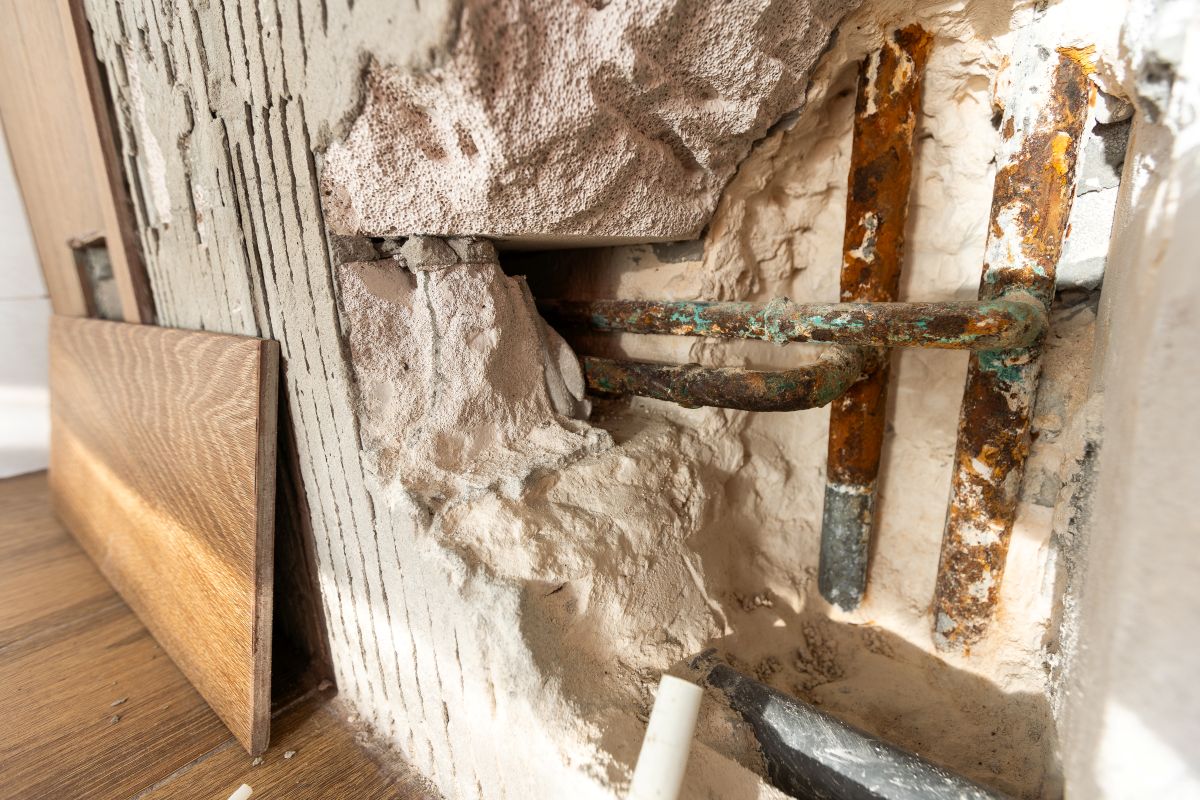
Seeing water drip from your ceiling is alarming. Whether it’s a slow stain spreading across drywall or active dripping during a storm, ceiling leaks signal a serious problem that requires immediate attention.
In Central Alberta—where heavy rain, snow accumulation, ice dams, burst pipes, and plumbing failures are common—ceiling water damage is one of the most frequent emergency restoration calls.
If water is leaking from your ceiling, acting quickly can prevent:
- Structural damage
- Electrical hazards
- Mould growth
- Ceiling collapse
- Expensive repairs
This comprehensive 2025 guide explains exactly what to do, what not to do, how to identify the source, and when to call professionals like DKI Central Alberta.
Table of Contents
- Why Is Water Leaking from My Ceiling?
- Immediate Steps to Take
- Safety Precautions You Must Follow
- How to Locate the Source of the Leak
- Common Causes of Ceiling Water Leaks
- What NOT to Do
- When to Shut Off Water or Electricity
- How to Minimize Damage Before Help Arrives
- Signs of Hidden Water Damage
- Risks of Ignoring a Ceiling Leak
- Mould Growth After Water Damage
- Professional Water Damage Restoration Process
- How DKI Central Alberta Responds to Ceiling Leaks
- Insurance Considerations
- Frequently Asked Questions
- Conclusion
1. Why Is Water Leaking from My Ceiling?
Water leaking from a ceiling is never the actual source—it’s simply where gravity reveals the problem. The true cause is usually located:
- In the roof
- In plumbing lines
- In bathrooms above
- In HVAC systems
- In attic spaces
- Around windows or flashing
Understanding the cause determines the correct solution.
2. Immediate Steps to Take
If you notice water leaking from your ceiling, follow these steps immediately:
Step 1: Protect Yourself and Others
Move people, pets, and valuables away from the affected area.
Step 2: Contain the Water
Place buckets, containers, or towels under the leak.
Step 3: Relieve Ceiling Pressure
If water is pooling and the ceiling is bulging, carefully puncture a small hole with a screwdriver to release trapped water in a controlled way. This prevents sudden collapse.
Step 4: Turn Off Water Supply (If Plumbing-Related)
If you suspect a burst pipe, shut off the main water valve.
Step 5: Document the Damage
Take photos and videos for insurance purposes.
3. Safety Precautions You Must Follow
Water leaks pose several hazards:
- Electrical shock risk
- Structural collapse
- Slippery floors
- Mould exposure
If water is near lighting fixtures, outlets, or electrical wiring:
Turn off electricity to that area at the breaker panel.
Never stand directly beneath sagging ceilings.
4. How to Locate the Source of the Leak
Identifying the cause is critical.
If it’s raining:
Likely a roof issue.
If a bathroom is above the leak:
Check for overflowing tubs, toilets, or broken supply lines.
If no weather event occurred:
Inspect plumbing, water heaters, and HVAC systems.
If leak occurs during snowmelt:
Ice dams may be forcing water under shingles.
Professional moisture detection equipment is often needed to confirm the true source.
5. Common Causes of Ceiling Water Leaks
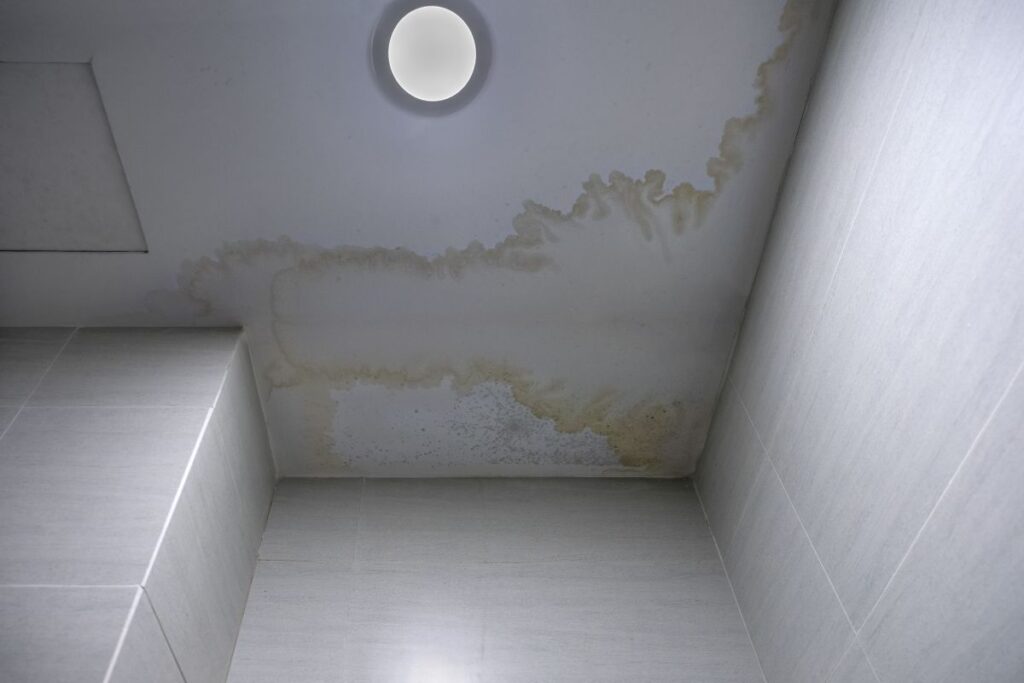
1. Roof Damage
- Missing shingles
- Damaged flashing
- Cracked vents
- Ice dams
- Hail impact
2. Burst or Frozen Pipes
Extremely common during Alberta winters.
3. Plumbing Failures
- Toilet overflows
- Shower pan leaks
- Pipe joint failures
4. HVAC Condensation
Clogged drain lines cause water to overflow.
5. Attic Insulation Problems
Poor ventilation leads to condensation buildup.
6. What NOT to Do
Avoid these mistakes:
❌ Do not ignore the leak
❌ Do not assume it will stop on its own
❌ Do not use electrical appliances near water
❌ Do not attempt structural repairs yourself
❌ Do not paint over water stains without fixing the source
Covering up the issue does not solve the problem.
7. When to Shut Off Water or Electricity
Shut off water if:
- You suspect a burst pipe
- Water flow is continuous
- Plumbing fixtures malfunction
Shut off electricity if:
- Water touches light fixtures
- Ceiling insulation is soaked
- There is visible sparking or buzzing
Safety always comes first.
8. How to Minimize Damage Before Help Arrives
While waiting for professional help:
- Remove furniture and electronics
- Mop standing water
- Increase airflow (fans, open windows if safe)
- Use dehumidifiers
- Lay down plastic sheets to protect flooring
However, avoid aggressive drying methods without proper moisture detection—hidden water can remain trapped.
9. Signs of Hidden Water Damage
Water does not always show itself immediately.
Watch for:
- Peeling paint
- Bubbling drywall
- Soft spots in ceilings
- Musty odours
- Sagging ceiling panels
- Warped flooring
Hidden moisture can travel along beams and walls far from the visible leak.
10. Risks of Ignoring a Ceiling Leak
Failure to act can result in:
- Ceiling collapse
- Structural wood rot
- Electrical fires
- Widespread mould growth
- Insulation damage
- Higher insurance costs
- Expensive reconstruction
Water damage worsens dramatically within 24–48 hours.
11. Mould Growth After Water Damage
Mould can begin growing within 24–72 hours after water exposure.
Ceiling cavities provide ideal conditions:
- Darkness
- Warmth
- Damp insulation
- Limited airflow
Once mould spreads, professional remediation becomes necessary.
12. Professional Water Damage Restoration Process
Certified restoration involves:
- Damage assessment
- Moisture mapping with thermal imaging
- Water extraction
- Structural drying with commercial dehumidifiers
- Removal of damaged materials
- Antimicrobial treatment
- Reconstruction
- Final inspection
This ensures the structure is fully dried—not just surface-level dry.
13. How DKI Central Alberta Responds to Ceiling Leaks

DKI Central Alberta provides 24/7 emergency response across:
Services include:
- Emergency water extraction
- Ceiling and drywall removal
- Roof tarping and temporary repairs
- Moisture detection
- Structural drying
- Mould prevention
- Full reconstruction
- Insurance claim coordination
Their certified technicians ensure your property is restored safely and efficiently.
14. Insurance Considerations
Most insurance policies cover sudden and accidental water damage, including:
- Burst pipes
- Storm-related roof leaks
- Appliance failures
Typically not covered:
- Long-term neglect
- Maintenance-related issues
- Gradual deterioration
Always document everything and contact your insurer promptly.
15. Frequently Asked Questions
How serious is a small ceiling leak?
Even small leaks can lead to major structural damage.
Can I sleep in a room with a ceiling leak?
Not recommended until inspected for safety.
How long does drying take?
Typically 3–5 days with professional equipment.
Will my ceiling need to be replaced?
Often yes, especially if drywall is saturated.
16. Conclusion
Water leaking from your ceiling is a clear warning sign that immediate action is required. Whether caused by roofing damage, plumbing failures, or winter ice buildup, prompt response protects your home from severe structural and health-related risks.
If you experience ceiling water damage, DKI Central Alberta provides rapid, professional restoration services—ensuring your home is dried, repaired, and fully restored to safe condition.
Act quickly. Water damage never improves on its own.