
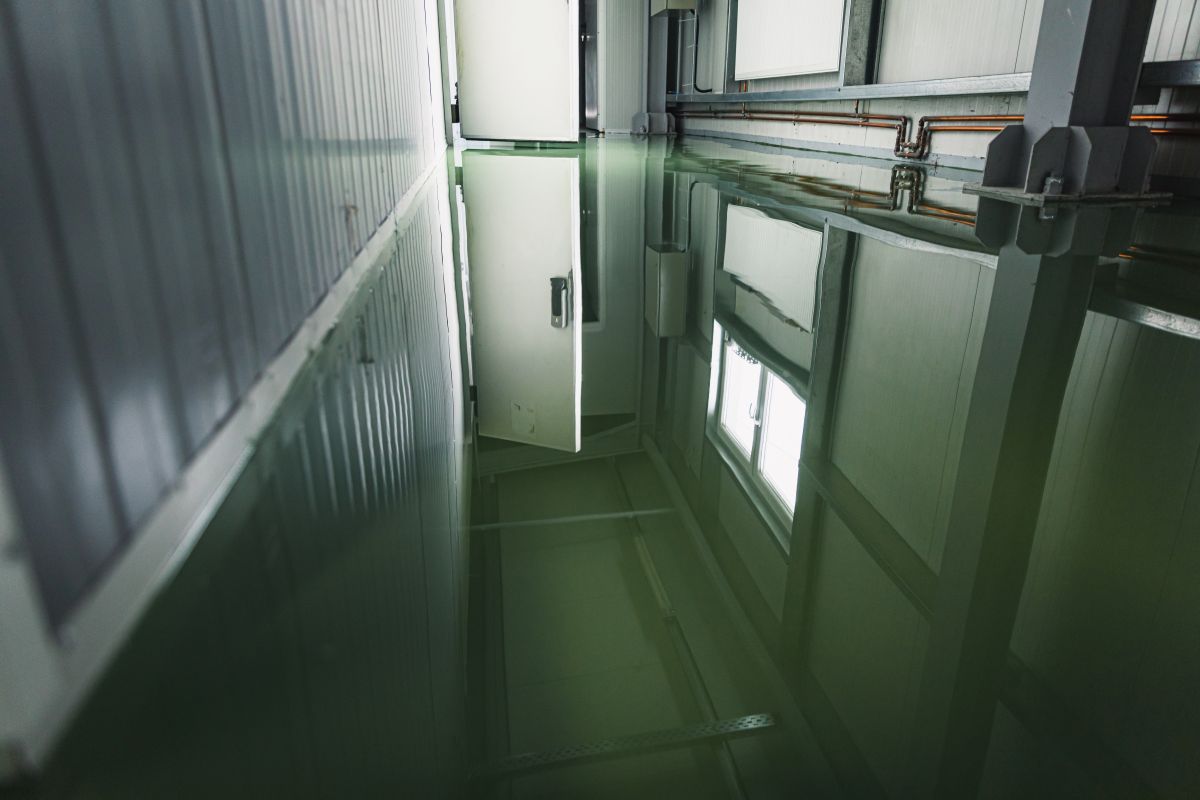
Every spring, Central Alberta homeowners face the same anxious question: will my basement stay dry this year? With the region’s freeze-thaw cycles, clay-heavy soils, and aging municipal stormwater infrastructure, basement flooding remains one of the most common — and most expensive — property damage events across Red Deer, Lacombe, Sylvan Lake, Innisfail, and surrounding communities.
Understanding how to prevent basement flooding in Alberta starts with recognizing why it happens in the first place. Unlike a single dramatic event, most basement floods result from a combination of factors — failed sump pumps, poor drainage, foundation cracks, and overwhelmed sewer lines — that quietly build until water finds its way inside.
This guide covers the most effective prevention strategies for Central Alberta homeowners, the warning signs you should never ignore, what to do if flooding does occur, and when professional water damage restoration is the right call.
Table of Contents
- Why Central Alberta Basements Are Prone to Flooding
- Common Causes of Basement Flooding
- Sump Pump Maintenance and Backup Systems
- Drainage, Grading, and Foundation Protection
- Backwater Valves and Sewer Backup Prevention
- Warning Signs Your Basement Is at Risk
- Prevention vs. Restoration: A Cost Comparison
- What to Do If Your Basement Floods
- Frequently Asked Questions
- Get Help From DKI Central Alberta
Why Central Alberta Basements Are Prone to Flooding
Central Alberta sits in a geographic zone where several environmental factors converge to make basements particularly vulnerable to water intrusion. The region experiences long, harsh winters followed by rapid spring thaws that release massive volumes of snowmelt in a short window. When the ground is still frozen, that water has nowhere to absorb and instead flows overland — directly toward foundations.
The soil composition across much of the Red Deer, Lacombe, and Sylvan Lake area is clay-dominant. Clay soils expand when saturated and contract when dry, which creates ongoing pressure against foundation walls and can open hairline cracks over time. Unlike sandy or loamy soils that drain naturally, clay holds water against your foundation for extended periods.
Add to this the fact that many homes in the region were built during construction booms in the 1970s through 1990s, when basement waterproofing standards were less rigorous than they are today. Original weeping tile systems in these properties may be deteriorating, and sump pump installations — if present at all — may not meet current capacity requirements.
Common Causes of Basement Flooding
Understanding the root causes helps you target your prevention efforts where they matter most. Here are the scenarios Central Alberta homeowners encounter most frequently:
Sump pump failure is the single most common cause of preventable basement flooding across the region. Pumps can fail due to power outages during storms, mechanical wear, a stuck float switch, or simply being undersized for the volume of water your property receives. When a sump pump stops working during peak snowmelt or a heavy rainstorm, water can rise to floor level within hours.
Sewer backup occurs when the municipal sanitary or combined sewer system is overwhelmed by heavy rainfall or rapid snowmelt. When the system reaches capacity, wastewater can reverse direction and flow back into your home through basement floor drains. This is particularly common in older neighbourhoods where storm and sanitary lines share the same infrastructure.
Foundation cracks and seepage allow groundwater to enter your basement as hydrostatic pressure builds against exterior walls. Even hairline cracks that seem insignificant during dry months can channel significant water during spring thaw or sustained rainfall.
Poor exterior grading directs surface water toward your foundation rather than away from it. Over time, soil around a home settles, creating negative grades that funnel rainwater and snowmelt directly against basement walls.
Blocked or collapsed weeping tile prevents your foundation drainage system from doing its job. In older Central Alberta homes, original clay weeping tile can become clogged with sediment, crushed by soil pressure, or infiltrated by tree roots — leaving your basement without its primary line of defence.
How to Prevent Basement Flooding: Sump Pump Maintenance and Backup Systems
Your sump pump is the mechanical heart of your basement’s flood defence system. In Central Alberta, where spring thaw can saturate the ground for weeks at a time, a well-maintained pump running on reliable power is non-negotiable.
Monthly Maintenance Routine
Test your pump at least once a month by pouring a bucket of water into the sump pit and confirming the float switch activates the pump. While you’re there, clear any debris from the pit, inspect the discharge line for blockages or ice buildup, and check that the power cord is securely plugged into a GFCI outlet. These basic checks take under five minutes and can prevent a catastrophic failure when you need the pump most.
Battery Backup and Redundancy
Power outages and sump pump failures tend to coincide — both are most likely during the severe storms that also produce the heaviest rainfall. Installing a battery-powered backup sump pump or a water-powered backup system ensures your basement stays dry even when the power goes out. For homes in high-water-table areas near Sylvan Lake or along Wolf Creek in Lacombe, a dual-pump setup with an independent backup is a worthwhile investment.
When to Replace Your Sump Pump
Most residential sump pumps have a lifespan of seven to ten years. If your pump runs constantly during wet seasons, makes unusual noises, or has visible rust or corrosion, it’s likely approaching the end of its service life. Replacing a pump proactively — before it fails — costs a fraction of what emergency water damage restoration would run after a flood.
Drainage, Grading, and Foundation Protection
Effective water management around your property is just as important as what happens inside your basement. The goal is simple: keep water moving away from your foundation at every stage.
Lot Grading
The ground around your home should slope away from the foundation at a minimum grade of two percent for at least the first two metres. Over time, soil settles and this grade can flatten or even reverse. Walk the perimeter of your home each spring and look for areas where water pools near the foundation. Correcting negative grades with fill soil is one of the simplest and most cost-effective flood prevention measures available.
Downspout Extensions and Eavestroughs
Roof runoff is a major contributor to foundation water loading. Clean your eavestroughs at least twice a year — once in spring after snowmelt and once in fall after leaf drop. Ensure all downspouts discharge at least 1.8 metres away from the foundation wall. In winter, disconnect exterior sump pump discharge hoses to prevent freezing and blockage.
Foundation Waterproofing and Crack Repair
Visible foundation cracks should be sealed with hydraulic cement or polyurethane injection as soon as they appear. For homes with persistent seepage, exterior foundation waterproofing — which involves excavating around the perimeter, applying a waterproof membrane, and replacing or installing modern weeping tile — provides the most comprehensive long-term protection. While this is a significant investment, it eliminates the root cause rather than managing symptoms.
Backwater Valves and Sewer Backup Prevention
A backwater valve (also called a backflow prevention device) is installed on your home’s main sewer line and acts as a one-way gate. It allows wastewater to flow out of your home normally but closes automatically if water tries to reverse direction back into your basement. For Central Alberta homeowners on older combined sewer systems, a backwater valve is one of the most impactful single upgrades you can make.
The Alberta Building Code requires backwater valves in new construction, but many older homes were built without them. If your basement has floor drains, a shower, or a toilet below the main sewer line level, you are at risk of sewer backup during heavy rain events. Installation typically costs between $2,000 and $4,000 and may be eligible for municipal rebate programs in some Alberta communities.
Additionally, avoid pouring grease down drains, limit what goes into garbage disposals, and schedule professional sewer line inspections every few years to catch root infiltration or pipe deterioration before it causes a backup.
Warning Signs Your Basement Is at Risk
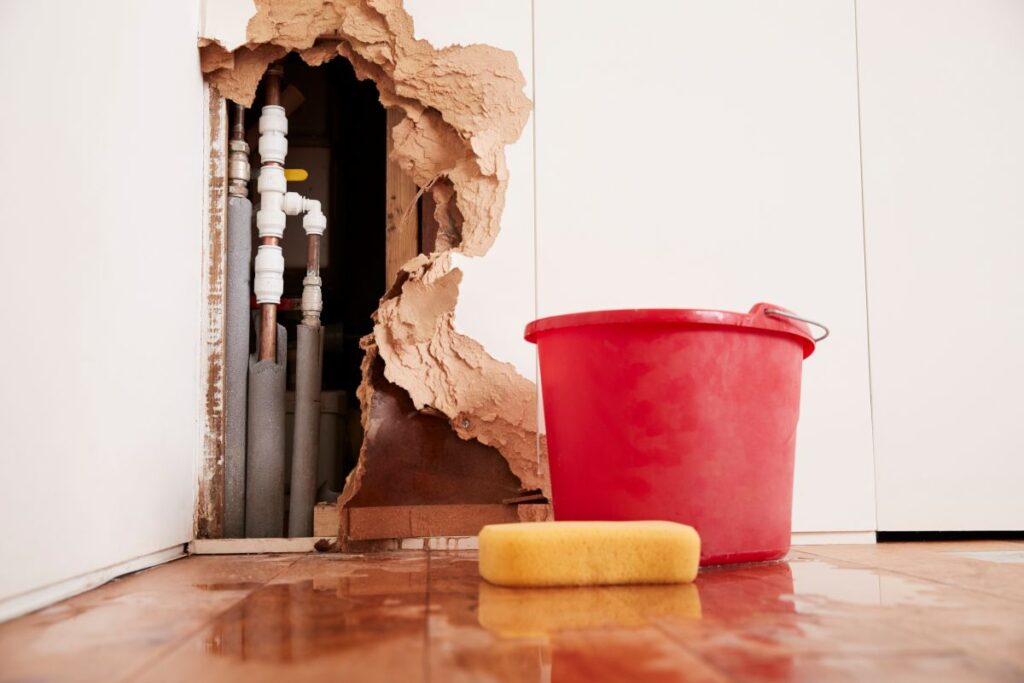
Most basement floods don’t happen without warning. The problem is that the warning signs are subtle and easy to overlook — until it’s too late. Here’s what to watch for:
Musty or earthy odours in your basement indicate excess moisture, even if you can’t see standing water. This smell often signals mould growth behind walls or under flooring.
White, chalky deposits on foundation walls (called efflorescence) mean water is migrating through your concrete and leaving mineral deposits as it evaporates. This is a direct indicator of ongoing moisture penetration.
Cracks in foundation walls or floors — even hairline ones — are potential water entry points. Monitor these over time; if they’re growing, the underlying pressure is increasing.
Frequent sump pump cycling means your water table is consistently high and your pump is working harder than normal. This increases the risk of mechanical failure at the worst possible time.
Stains or discolouration along the base of basement walls or on concrete floors typically indicate past water intrusion events that may recur.
If you notice any of these signs, don’t wait for a flood to act. An inspection from a qualified professional can identify the specific vulnerabilities in your basement and recommend targeted prevention measures. For properties that have already experienced water intrusion, DKI Central Alberta offers comprehensive damage assessments and restoration planning.
Prevention vs. Restoration: A Cost Comparison
Investing in prevention is almost always cheaper than paying for restoration after a flood. Here’s how common prevention measures compare to typical restoration costs in Central Alberta:
| Prevention Measure | Estimated Cost | What It Prevents |
|---|---|---|
| Sump pump replacement | $400 – $800 | Pump failure flooding |
| Battery backup sump pump | $300 – $600 | Power outage flooding |
| Backwater valve installation | $2,000 – $4,000 | Sewer backup |
| Foundation crack injection | $500 – $1,500 | Groundwater seepage |
| Exterior grading correction | $500 – $2,000 | Surface water pooling |
| Eavestrough cleaning (annual) | $150 – $300 | Roof runoff overloading foundation |
| Average basement flood restoration | $5,000 – $25,000+ | — |
The numbers speak for themselves. A $400 sump pump replacement today could prevent a $15,000 restoration project tomorrow. And unlike restoration costs — which often include deductibles, temporary housing, and lost personal belongings — prevention costs are planned, predictable, and entirely within your control.
What to Do If Your Basement Floods
Even with the best prevention measures in place, flooding can still happen. If your basement takes on water, here’s how to respond safely and effectively:
Prioritize safety first. Do not enter a flooded basement if electrical outlets, appliances, or your electrical panel are submerged or could be in contact with water. If you’re unsure, call your utility provider to disconnect power remotely before entering.
Stop the water source if possible. If the flooding is caused by a burst pipe or failed appliance, shut off the main water shut-off valve immediately. For sewer backups or overland flooding, this step may not be possible — focus on protecting valuables and calling for help.
Document the damage. Before moving or discarding anything, take photographs and video of the water level, affected areas, and damaged belongings. This documentation is essential for your insurance claim.
Contact a professional restoration company. Standing water needs to be extracted quickly — within hours, not days — to prevent structural damage and mould growth. DKI Central Alberta provides 24/7 emergency water damage restoration across the entire Central Alberta region, arriving with commercial-grade extraction, drying, and dehumidification equipment.
File your insurance claim promptly. Contact your insurer as soon as possible. Most Alberta homeowner policies cover sudden and accidental water damage (like burst pipes), though overland flood coverage and sewer backup protection may require separate endorsements. The team at DKI Central Alberta can assist with claim documentation and insurer coordination.
Frequently Asked Questions
How often should I test my sump pump?
Test your sump pump at least once a month by pouring water into the pit and verifying the pump activates. In spring and during heavy rain seasons, consider testing weekly. Also check the backup battery quarterly to ensure it holds a charge.
Does home insurance in Alberta cover basement flooding?
Standard Alberta homeowner policies typically cover sudden and accidental water damage — such as a burst pipe or appliance failure — but may not cover overland flooding or sewer backup without a separate endorsement. Review your policy and consider adding these riders if you live in a flood-prone area of Central Alberta.
What is the most effective way to prevent basement flooding in Alberta?
No single measure is sufficient on its own. The most effective approach combines a reliable sump pump with a battery backup, a backwater valve on your sewer line, properly graded exterior landscaping, functional eavestroughs with extended downspouts, and sealed foundation cracks. Together, these create multiple layers of protection.
How quickly can mould grow after a basement flood?
Mould spores can begin colonizing damp building materials within 24 to 48 hours of water exposure. This is why rapid water extraction and professional drying are critical. The longer moisture sits in walls, flooring, and insulation, the more likely a mould remediation project becomes necessary on top of the water damage restoration.
Can I clean up a basement flood myself?
For very minor water intrusion — a small amount of clean water from a known source — a shop vacuum and fans may be adequate. However, if the water is more than a few centimetres deep, involves sewage or unknown contamination, or has been standing for more than a few hours, professional restoration is strongly recommended. Hidden moisture behind walls and under flooring is almost impossible to detect and remove without commercial equipment.
Are there rebate programs for flood prevention in Alberta?
Some Alberta municipalities offer rebate or subsidy programs for installing backwater valves, sump pumps, or upgrading weeping tile systems. Check with your local city or county administration — Red Deer, Lacombe, and other Central Alberta communities may have active programs or may introduce them in response to recent flooding events.
Why does my basement flood every spring?
Recurring spring flooding usually indicates a systemic issue — most commonly a failing or undersized sump pump, deteriorated weeping tile, or negative lot grading that channels snowmelt toward your foundation. A professional inspection can identify the specific cause and recommend a permanent solution rather than repeated emergency cleanups.
Get Help From DKI Central Alberta
If your basement has already flooded — or you want a professional assessment of your property’s flood risk — DKI Central Alberta is here to help. Our certified restoration technicians serve Red Deer, Lacombe, Sylvan Lake, Innisfail, Stettler, Penhold, Bowden, and communities throughout the Central Alberta region.
We provide 24/7 emergency water and flood damage restoration, including commercial water extraction, structural drying, mould prevention, and complete property rebuild. We also coordinate directly with your insurance provider to streamline the claims process from start to finish.
Call our 24/7 emergency line at (403) 224-0350 or report a claim online to get started immediately.