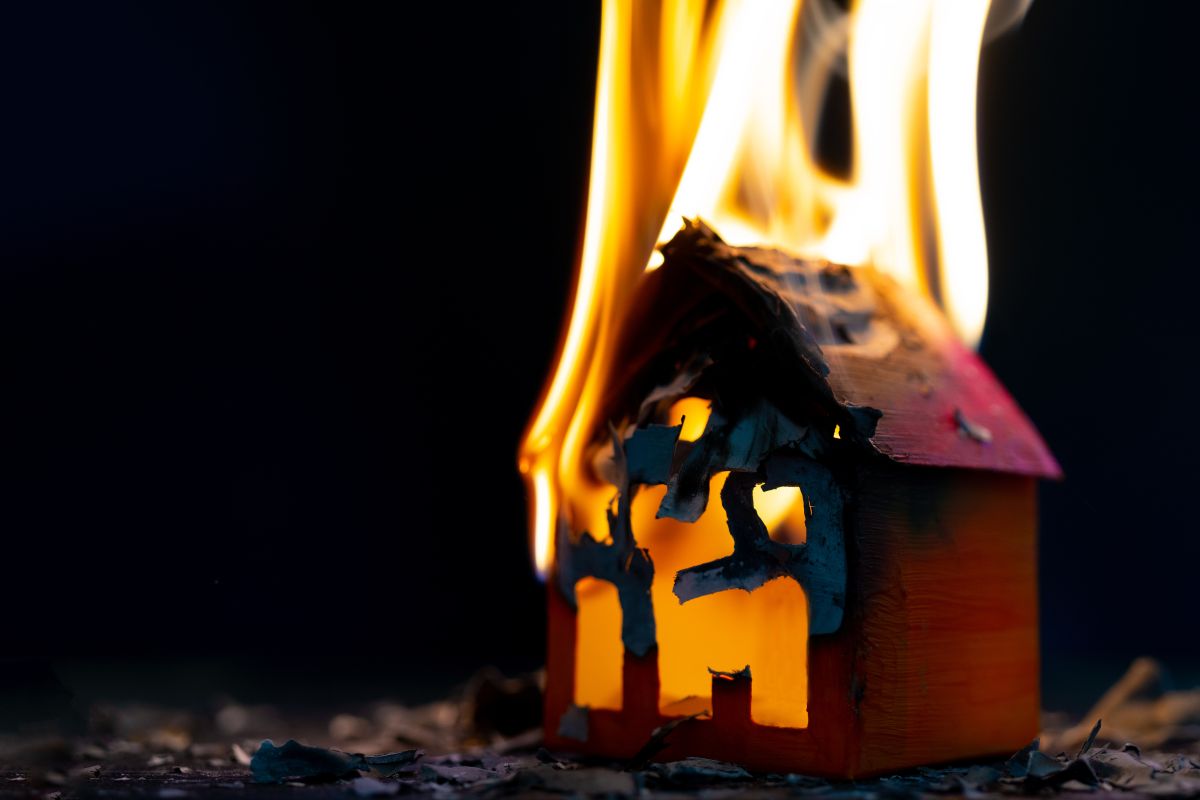
A house fire is one of the most devastating events a Central Alberta homeowner can experience. In the immediate aftermath — once the flames are out and the fire department has cleared the scene — the scale of the damage can feel overwhelming. Charred walls, waterlogged floors, soot coating every surface, and the persistent smell of smoke make it hard to know where to start.
Understanding what to expect during fire damage restoration in Alberta helps you regain a sense of control during an incredibly difficult time. From the initial emergency response through to the final reconstruction walkthrough, this guide explains each stage of the professional restoration process, what role your insurance plays, and how DKI Central Alberta supports homeowners across Red Deer, Lacombe, Sylvan Lake, Innisfail, and surrounding communities throughout their recovery.
If you’re dealing with fire damage right now, contact our fire damage restoration team immediately — every hour matters.
Table of Contents
- What Is Fire Damage Restoration?
- Emergency Response and Property Securing
- Damage Assessment and Restoration Planning
- Water Removal and Drying After Firefighting Efforts
- Smoke and Soot Removal
- Contents Cleaning and Personal Property Salvage
- Structural Repair and Reconstruction
- How Long Does Fire Damage Restoration Take?
- Navigating Insurance Claims After a Fire
- Frequently Asked Questions
- Contact DKI Central Alberta
What Is Fire Damage Restoration in Alberta?
Fire damage restoration is the comprehensive process of returning a fire-damaged property to its pre-loss condition. It goes far beyond cleaning up debris — professional restoration addresses the full spectrum of damage left behind after a fire, including structural compromise, smoke and soot infiltration, water damage from firefighting efforts, and potential hazards like compromised electrical systems, disturbed asbestos, and mould risk from lingering moisture.
In Alberta, restoration companies follow standards set by the Institute of Inspection, Cleaning and Restoration Certification (IICRC), which govern every phase of the process from initial assessment through final reconstruction. Certified technicians use specialized equipment and proven methodologies to ensure your property is restored safely and thoroughly — not just cosmetically repaired.
For Central Alberta homeowners, working with a local restoration company like DKI Central Alberta offers the advantage of teams familiar with regional building codes, common construction methods, and the unique challenges posed by Alberta’s climate — including the risks of freeze-thaw damage to fire-weakened structures during winter months.
Emergency Response and Property Securing
Once the fire department declares the scene safe, the first priority is preventing additional damage. Fire often destroys windows, compromises roofing, and creates openings in exterior walls that leave the property exposed to weather, vandalism, and animal intrusion.
A professional restoration team will arrive to board up broken windows, tarp damaged sections of the roof, and barricade any structural openings. In Central Alberta — where temperatures can drop rapidly, even in spring and fall — this step is critical to prevent rain, snow, and freezing temperatures from compounding the fire damage with secondary water or ice damage.
During this phase, the restoration team also assesses immediate safety hazards: weakened floors, exposed wiring, gas line integrity, and the potential presence of hazardous materials like asbestos in older homes. No restoration work begins until the property is confirmed safe for entry.
Damage Assessment and Restoration Planning
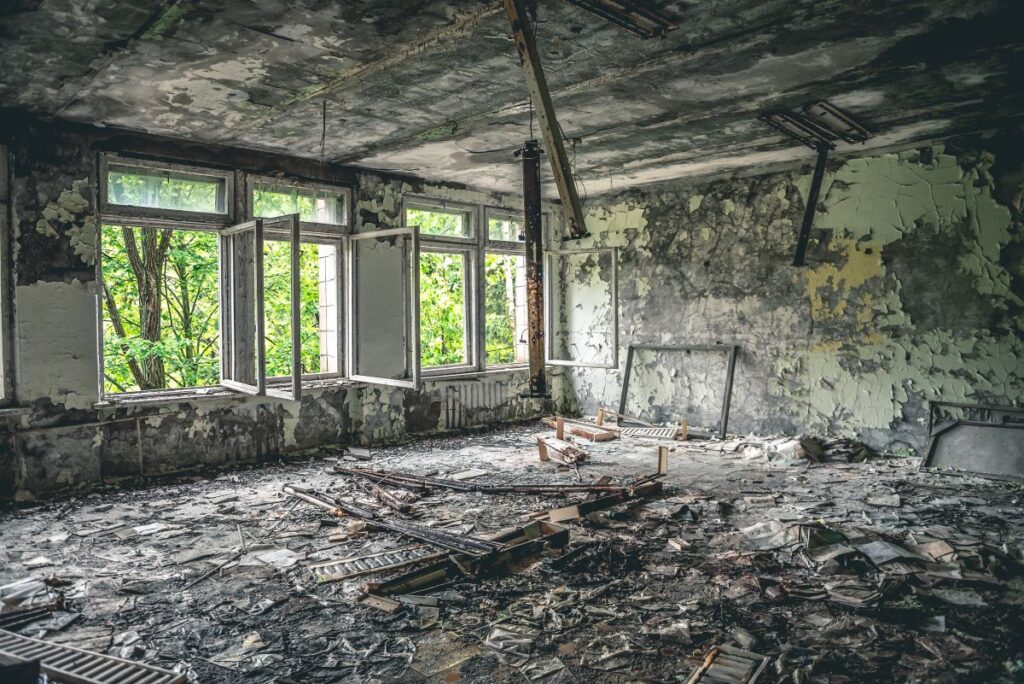
A thorough damage assessment is the foundation of every successful fire restoration project. Certified technicians inspect every room, wall cavity, attic space, and crawl space to map the full extent of fire, smoke, soot, and water damage — including areas that may appear unaffected on the surface but have sustained hidden damage.
This assessment produces a detailed scope of work that includes which materials need to be removed and replaced, which surfaces can be cleaned and restored, and what order the work should follow. The scope document also serves as the basis for your insurance claim, providing your adjuster with itemized, professional documentation of every damaged area and component.
At DKI Central Alberta, we coordinate directly with your insurance provider from this stage forward — sharing inspection reports, photographs, and moisture readings to keep the claims process moving while restoration work proceeds in parallel.
Water Removal and Drying After Firefighting Efforts
One of the most overlooked consequences of a house fire is the water damage left behind by firefighting. Fire hoses can deliver hundreds of litres per minute, and that water saturates floors, walls, insulation, and subfloor assemblies throughout the structure. If not addressed within 24 to 48 hours, this moisture creates ideal conditions for mould growth — adding a biological hazard to an already complex restoration project.
The restoration team uses industrial water extractors, submersible pumps, and commercial-grade dehumidifiers to remove standing water and begin the structural drying process. Moisture meters and thermal imaging cameras verify that all hidden moisture is identified and eliminated before any rebuild work begins.
This step overlaps directly with the water damage restoration process — and in many fire restoration projects, it represents a significant portion of the overall timeline and cost.
Smoke and Soot Removal
Smoke damage often extends far beyond the rooms directly affected by the fire. Smoke particles are microscopic and travel through HVAC ductwork, wall cavities, and any opening in the building envelope, depositing soot and odour-causing residue on surfaces throughout the entire home — including rooms on different floors that the fire never reached.
Professional smoke removal involves several specialized techniques. HEPA-filtered vacuums remove loose soot from surfaces without grinding it deeper into porous materials. Chemical sponges and solvent-based cleaners address different types of soot residue (wet smoke, dry smoke, protein smoke, and fuel oil soot each require different treatment approaches). For odour elimination, thermal foggers, ozone generators, and hydroxyl machines neutralize smoke particles at the molecular level — something air fresheners and household cleaners cannot accomplish.
HVAC ductwork, furnace components, and air handlers must also be professionally cleaned to prevent smoke particles from recirculating through the home after restoration is complete. Skipping this step is one of the most common reasons homeowners report lingering smoke odours months after a fire.
Contents Cleaning and Personal Property Salvage
Fire doesn’t just damage structures — it damages everything inside them. Furniture, clothing, electronics, documents, photographs, and personal belongings can all sustain varying degrees of fire, smoke, and water damage. Professional contents restoration can often save items that homeowners assume are beyond repair.
The process begins with a “pack-out” — carefully inventorying and boxing up salvageable items for transport to a specialized cleaning facility. Depending on the item type, restoration methods include ultrasonic cleaning (for hard goods and electronics), ozone treatment (for fabrics and upholstery), and document freeze-drying (for water-damaged papers and photographs).
It is critical that you do not throw away damaged belongings before your insurance adjuster has assessed them. Even items that appear destroyed may be documented for replacement value under your policy. Your restoration team will advise you on what can likely be restored versus what should be claimed as a total loss.
Structural Repair and Reconstruction
Once water is removed, smoke damage is remediated, and contents are packed out, the rebuild phase begins. This is where your property is physically reconstructed to pre-loss condition — or better, depending on your insurance coverage and personal preferences.
Structural repair may include replacing fire-damaged framing, roof trusses, and load-bearing walls; installing new drywall, insulation, and vapour barriers; replacing electrical wiring and plumbing that was compromised by heat; and finishing with new flooring, paint, cabinetry, and fixtures. In Alberta, all reconstruction work must comply with current provincial building codes and requires appropriate permits and inspections.
DKI Central Alberta handles the complete restoration process from emergency response through final reconstruction — eliminating the need for homeowners to coordinate between separate contractors for demolition, remediation, and rebuild work.
How Long Does Fire Damage Restoration Take?
The timeline for fire damage restoration varies significantly depending on the severity of the fire, the size of the affected area, and the complexity of the reconstruction required. Here’s a general framework for Central Alberta projects:
| Fire Severity | Typical Restoration Timeline | Common Scope |
|---|---|---|
| Minor (kitchen fire, contained) | 1 – 3 weeks | Smoke cleaning, odour removal, minor repairs |
| Moderate (one room + smoke spread) | 4 – 8 weeks | Water removal, soot remediation, partial rebuild |
| Major (structural damage, multiple rooms) | 3 – 6 months | Full demolition, hazardous material removal, complete reconstruction |
| Severe (total loss of living space) | 6 – 12+ months | Full structural rebuild from framing up |
These timelines can be affected by factors like insurance processing speed, permit approval times, material availability, and weather conditions (particularly relevant in Central Alberta, where winter conditions can delay exterior work). Your restoration team should provide a detailed schedule after the initial damage assessment and update it as the project progresses.
Navigating Insurance Claims After a Fire
Filing an insurance claim after a house fire involves far more documentation than most homeowners expect. Your insurer will need a complete inventory of damaged and destroyed items, professional damage assessments, photographs and moisture readings, contractor estimates, and ongoing progress reports throughout the restoration.
Most Alberta homeowner policies include coverage for fire damage, temporary living expenses (known as Additional Living Expense or ALE coverage), and contents replacement. However, the details of your coverage — deductibles, limits, and exclusions — vary by policy and provider.
DKI Central Alberta works directly with your insurance adjuster from day one, providing all required documentation and communicating scope changes in real time. This coordination helps streamline the claims process and prevents delays caused by missing or incomplete information. Our team has established relationships with all major insurance carriers operating across Central Alberta.
Frequently Asked Questions
Can I enter my home after a fire?
You should only enter your home after the fire department and, if applicable, the fire investigator have cleared the property as safe. Even then, wear protective clothing and a mask — soot particles and smoke residue pose respiratory health risks. Your restoration team will advise you on when the property is safe for re-entry during and after the restoration process.
Should I throw away fire-damaged belongings?
No — do not discard any items until your insurance adjuster has inspected and documented them. Even items that appear ruined may have replacement value under your policy. Your restoration company will help sort belongings into categories: salvageable, restorable, and total loss.
Does insurance cover fire damage restoration in Alberta?
Most Alberta homeowner insurance policies include fire damage coverage for both the structure and its contents. Many also provide ALE (Additional Living Expense) coverage for temporary housing while your home is being restored. Contact your insurer immediately after the fire and ask them to walk you through your specific coverage limits and deductible.
Can smoke odour be completely removed from a home?
Yes — with professional equipment and techniques. Thermal fogging, ozone treatment, and hydroxyl generators can neutralize smoke odour at the molecular level. However, it requires thorough cleaning of all surfaces, including HVAC ductwork, insulation cavities, and soft furnishings. Consumer-grade air fresheners and cleaning products cannot eliminate embedded smoke odour.
How soon should fire damage restoration begin?
As soon as the fire department clears the property. Soot becomes increasingly difficult to remove the longer it sits on surfaces — it can permanently stain certain materials within days. Water from firefighting efforts also begins causing secondary damage (mould, warping, corrosion) within 24 to 48 hours. The faster restoration begins, the more of your property and belongings can be saved.
Can I stay in my home during fire damage restoration?
In most cases, no — especially if the fire caused structural damage, the electrical system was compromised, or smoke residue is present throughout the home. Your insurance policy likely includes temporary housing coverage. Your restoration team can help coordinate this with your insurer so you have accommodation arranged while the work is completed.
What is the difference between fire damage and smoke damage?
Fire damage refers to the direct destruction caused by flames — charred framing, melted fixtures, and burned-through materials. Smoke damage refers to the residue, discolouration, and odour left behind by smoke particles, which can affect areas of the home far from the fire itself. Both require professional remediation, but they involve different cleaning techniques and equipment.
Contact DKI Central Alberta for Fire Damage Restoration
If your home or business has suffered fire damage, DKI Central Alberta provides comprehensive, end-to-end fire damage restoration — from emergency board-up and water removal through smoke remediation, contents cleaning, and complete structural reconstruction.
We serve Red Deer, Lacombe, Sylvan Lake, Innisfail, Stettler, Three Hills, Penhold, Bowden, and every community across Central Alberta. Our certified technicians are available 24 hours a day, 365 days a year, and we coordinate directly with your insurance company throughout the entire restoration process.
Call our 24/7 emergency line at (403) 224-0350 or report a claim online to begin your recovery today.