
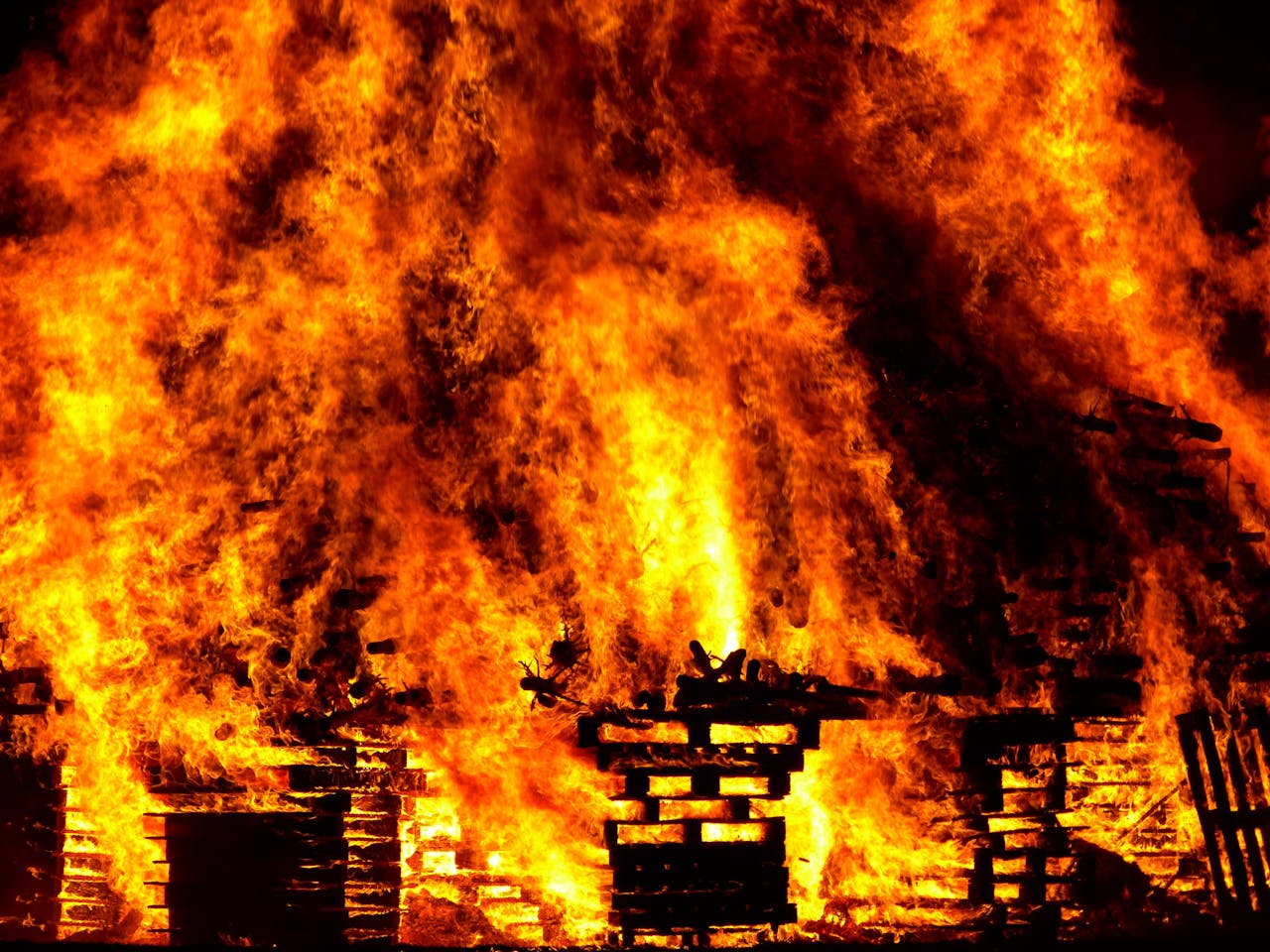
Quick answer: to charge lithium-ion batteries safely, use the charger that came with the device or one approved by the manufacturer, charge on a hard, flat surface, unplug when it’s full, and charge e-bikes and scooters outside when possible without blocking exits. Stop using any battery that gets very hot, swells, smells strange, leaks, smokes or makes popping sounds, and never put old batteries in the garbage.
Fire Prevention Week runs October 4 to 10, 2026, and for the second year in a row the focus is lithium-ion batteries. The National Fire Protection Association’s theme is “Charge into Fire Safety: Safe Charging Is a Superpower.” Here’s what that means for homes in Red Deer and Central Alberta.
Key Takeaways
- Use the original charger or one approved by the manufacturer, and look for CSA, cUL or cETL marks in Canada.
- Charge on a hard surface where you can see the device, never on a bed or couch, and unplug when it’s full.
- Charge e-bikes and scooters outside or at room temperature, never in a freezing garage, and never block an exit.
- Heat, swelling, odd smells, leaks, smoke or popping mean stop using the battery now.
- Recycle batteries at a drop-off; in Red Deer the Waste Management Facility takes them free.
Table of Contents
Why batteries are the focus this year
Lithium-ion batteries power phones, laptops, power tools, e-bikes and e-scooters. They store a lot of energy in a small space, and when one fails, the fire can grow quickly. NFPA’s 2026 Fire Prevention Week tip sheet focuses on everyday charging habits, and Canada’s 2025 Fire Prevention Week proclamation used the same battery theme.
Battery fires in Alberta
In February 2023, Red Deer Emergency Services issued a warning about lithium-ion batteries after documenting three fires caused by them in the city. In Calgary, the fire department counted 17 fires caused by batteries and chargers in 2024, and the City reports more than $32 million in estimated property losses from lithium-ion battery fires in 2025 alone, along with over 50 fire incidents at City landfills and recycling facilities that year.
Cooking is still the leading cause of house fires, as our guide to the most common causes of house fires explains, but battery fires are a growing share and they tend to start where people charge devices: bedrooms, living rooms and garages.
Safe charging habits
| Do | Why it matters |
|---|---|
| Use the cord and charger that came with your device, or one approved by the manufacturer | The wrong or cheap charger can damage the battery and may not meet safety standards |
| Charge on a hard, flat surface like a table, desk or bare floor | Beds, pillows and couches trap heat and block airflow |
| Unplug when the device is fully charged | Staying plugged in adds heat and stress to the battery |
| Charge e-bikes, scooters and power tools outside when possible, and never block exits | Large batteries store more energy, and fires can grow quickly if they fail |
| Charge at room temperature, not in a cold garage | Lithium-ion batteries shouldn’t be charged below 0°C or above 40°C |
| Charge where you can see the device | You’ll notice heat, swelling or smoke sooner |
Alberta winters add one more rule: don’t leave an e-bike or scooter battery charging in an unheated garage. Bring it inside to warm up first, and charge it away from bedrooms and exits.
Buying batteries and chargers safely
Health Canada advises using only chargers that carry a recognized Canadian certification mark, such as CSA, cUL or cETL, and warns that chargers without them may cause electric shock and fires. Watch for signs of counterfeits: poor quality, an unusually low price, and spelling or grammar errors on the packaging.
For e-bikes and other large batteries, Health Canada says to use the original battery and charger, get replacements from the manufacturer or retailer, and never modify, tamper with or build your own battery packs.
Warning signs and what to do
NFPA says to stop using a device right away if it feels very hot, starts to swell, smells strange, leaks, smokes, or makes popping or hissing sounds. Health Canada adds that you shouldn’t use batteries that are swollen, dented or have torn wrappers.
- Stop using or charging the device.
- If it’s safe, move it away from anything that can catch fire.
- If it’s smoking or burning, get everyone out and call 911.
- Don’t put a damaged battery in the garbage or a regular recycling bin.
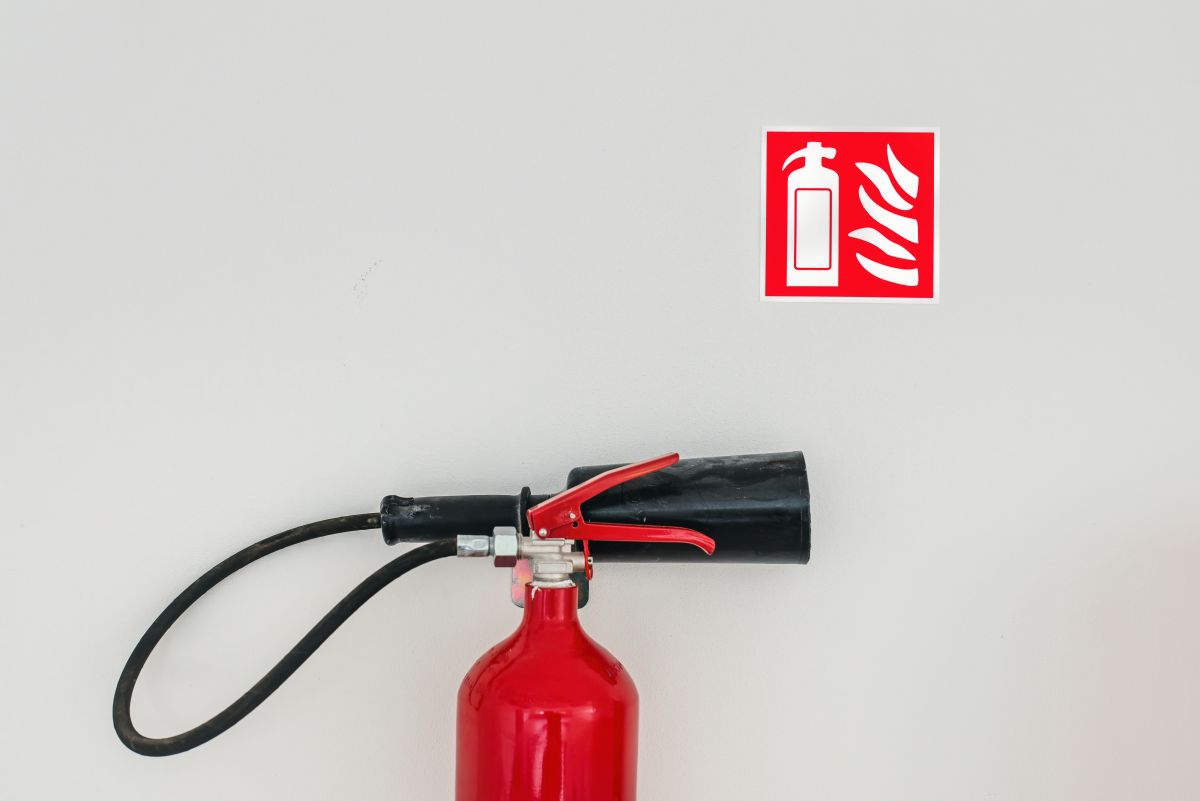
Working smoke alarms and a home escape plan matter most of all. Our guide to fire extinguisher classes explains which extinguisher suits which kind of fire.
Storing and recycling batteries in Red Deer
If you’re putting an e-bike or scooter away for the winter, Health Canada recommends storing the battery at about 50% charge and checking it every three months.
Batteries are hazardous waste, so never put them in household garbage or the blue cart. In Red Deer, the City’s Waste Management Facility accepts batteries free of charge, and Call2Recycle drop-off locations accept household batteries up to 5 kg and e-mobility batteries from e-bikes and e-scooters. Call2Recycle asks you to tape over the terminals of lithium batteries first. Damaged or swollen batteries need special handling: pack them in a non-flammable material like sand and call Call2Recycle at 1-888-224-9764. Since April 1, 2025, battery collection in Alberta has been run under the province’s extended producer responsibility program.
After a battery fire
Even a small battery fire can spread smoke and soot through a room and into the ventilation system. Lingering smoke odour comes from residue you can’t always see, so it needs cleaning at the source, not air fresheners. Our odour removal team handles the smell, and our contents restoration team cleans smoke-damaged clothing, electronics and belongings. Most home policies cover fire damage; our insurance claims guide explains the next steps.
Frequently asked questions
Can I charge my e-bike or scooter overnight?
It’s safer not to. NFPA recommends unplugging devices once they’re fully charged and charging large batteries like e-bikes and scooters outside when possible, without blocking exits. Health Canada also advises charging where you can see the battery.
Is it safe to charge an e-bike battery in a cold garage?
Not in an Alberta winter. The U.S. Fire Administration says not to charge lithium-ion batteries below 0°C or above 40°C, and Health Canada recommends charging at room temperature. Bring the battery inside to warm up before charging, and keep it away from beds, couches and exits.
What certification marks should I look for in Canada?
Health Canada says to use chargers that carry a recognized Canadian certification mark such as CSA, cUL or cETL. Products without these marks may not meet electrical safety standards. For e-bikes and e-scooters, Health Canada points to the safety standards UL 2849 and UL 2272.
How do I get rid of old lithium-ion batteries in Red Deer?
Never put them in the garbage or your blue cart. The City of Red Deer accepts batteries free of charge at its Waste Management Facility, and Call2Recycle drop-off locations take household batteries up to 5 kg and e-bike or e-scooter batteries. Tape over the terminals first. Damaged batteries need special handling, so call Call2Recycle at 1-888-224-9764.
What should I do if a battery starts smoking or swelling?
Stop using it right away. If it’s safe, move the device away from anything that can catch fire, then call 911. Don’t try to put out a burning battery yourself, and get everyone out of the home.
Sources
- NFPA, Charge into Fire Safety: Safe Charging Is a Superpower (2026 tip sheet) (2026)
- NFPA, Fire Prevention Week (2026)
- NFPA, Charge into Fire Safety: Lithium-Ion Batteries in Your Home (2025 tip sheet) (2025)
- Health Canada, Lithium-ion battery safety (2026)
- Health Canada, Electrical product safety (2026)
- Health Canada, Misuse or modification of lithium-ion batteries in e-mobility devices can be extremely dangerous (2023)
- U.S. Fire Administration, Battery Fire Safety (2024)
- City of Red Deer, Red Deer Emergency Services issues warning for lithium-ion batteries (2023)
- City of Calgary, Fire Prevention Week (2026)
- City of Calgary, Calgary Fire Department 2024 Annual Report (2025)
- Canada Gazette, Proclamation Designating Fire Prevention Week (2025)
- City of Red Deer, Accepted Household Hazardous Waste (2026)
- Call2Recycle Canada, Recycle Your Batteries, Alberta! (2025)
- Call2Recycle Canada, Damaged, Defective and Recalled Batteries (2026)
- Alberta Recycling Management Authority, Extended Producer Responsibility (2026)