
Quick answer: ice dams form when heat leaking from your house melts snow on the roof and the meltwater refreezes at the colder eaves. The ridge of ice traps water behind it, which can back up under the shingles and leak into the attic, walls and ceilings. Natural Resources Canada says the best prevention is to seal attic air leaks and insulate thoroughly, so the roof stays cold.
Central Alberta’s winters, with deep cold broken by warm spells and occasional chinooks, give ice dams plenty of chances to form. Here’s how they work, where they start, and what to do if one is already leaking.
Key Takeaways
- Ice dams are caused by a warm roof, not just by heavy snow.
- Sealing attic air leaks and adding insulation is the most effective prevention, according to Natural Resources Canada.
- Watch for big icicles, frost in the attic and stains on ceilings near outside walls.
- Don’t chip ice off the roof; rake snow from the ground or call a professional.
- Water from an ice dam can lead to mould in walls and ceilings if it isn’t dried properly.
Table of Contents
How ice dams form
Natural Resources Canada describes ice dams as large masses of ice that collect along the lower edge of a roof and in the eavestroughs. As melting snow or rain runs down the roof, it meets this ice and backs up, sometimes under the shingles and into the attic.
The root cause is heat. When warm air from the house leaks into the attic, it warms the roof deck above freezing and melts the snow touching it. That water runs down to the overhang, which sits outside the heated part of the house and stays cold, and it freezes again. Each melt adds to the dam.
Why Central Alberta roofs are vulnerable
Ice dams need a cycle of melting and refreezing. Central Alberta gets it from sunny days in deep cold, warm spells and chinooks. The chinook belt lies almost entirely within southern and central Alberta, though Red Deer sees fewer chinooks than Calgary.
Natural Resources Canada points to common trouble spots where warm air reaches the roof: knee walls in 1½-storey houses, bathroom and kitchen fans vented into or through the roof, plumbing vents, skylights and leaky attic hatches.
Warning signs to watch for
- Thick ridges of ice along the eaves or in the eavestroughs.
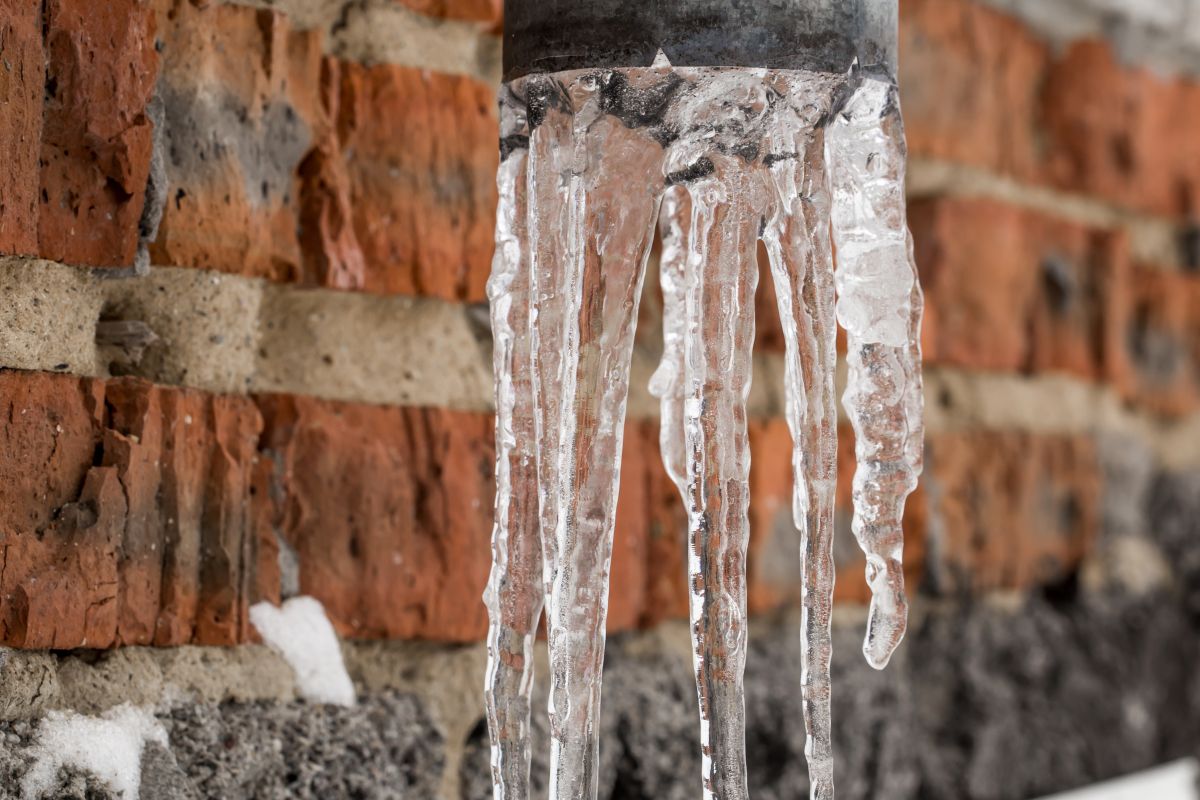
- Large icicles hanging from the roof edge.
- Frost on the underside of the roof sheathing or nails in the attic.
- Water stains, peeling paint or bubbling drywall on ceilings and upper walls near outside walls.
- Damp or compressed attic insulation.
The Insurance Bureau of Canada recommends inspecting your attic for frost and checking your eavestroughs and roof for ice dams or icicles, as long as you can do it safely.
How to prevent ice dams
| Step | What it does |
|---|---|
| Seal attic air leaks | Stops warm, moist house air from heating the roof deck (the most effective fix, per NRCan) |
| Add or upgrade attic insulation | Keeps heat in the living space and the roof cold |
| Seal the attic hatch and pot lights | Common hidden leaks of warm air into the attic |
| Vent bathroom and kitchen fans outdoors properly | Keeps moist air out of the attic |
| Keep eavestroughs and downspouts clear before winter | Gives meltwater somewhere to go |
| Rake snow off the lower roof edge from the ground after big snowfalls | Removes the snow that feeds the dam |
Sealing and insulating also helps with winter condensation and indoor humidity. Our guide to ideal winter humidity for Alberta homes explains how much moisture your house can handle in a cold snap.
What to do if an ice dam is leaking
- Move furniture and belongings away from the leak and catch the water.
- If a ceiling is sagging with water, stay out from under it.
- Take photos of the ceiling, walls and any ice on the roof for your insurer.
- Call your insurer, then a roofer and a restoration company.
- Have the attic insulation and ceiling cavities checked with a moisture meter. CMHC notes that walls and ceilings below ice dams are prone to mould if they stay wet.
For step-by-step help with a leaking ceiling, read what to do if water is leaking from your ceiling. If the roof needs to be covered until it can be repaired, our crews provide emergency tarping, and if mould has already started, see our mould remediation service.
Should you chip the ice away? CMHC warns that attacking ice dams every winter with an axe or ice pick is “a good way to shorten shingle life — and a good opportunity to fall off a ladder.” The Insurance Bureau of Canada recommends using a roof rake to clear snow and calling a professional if you notice an ice dam. Heat cables can keep a drainage channel open, but CMHC treats them as a weaker alternative that uses a lot of electricity; the lasting fix is still air sealing and insulating the attic.
As for insurance, the Insurance Bureau of Canada says standard policies typically cover sudden and accidental water damage caused by ice dams, while ongoing or repeated damage is considered a long-term maintenance issue and may not be covered. Report a leak as soon as you find it.
Frequently asked questions
What causes ice dams?
Heat escaping from the house warms the roof deck and melts the snow on it. The meltwater runs down to the colder roof edge over the eaves and refreezes, building a ridge of ice that traps the next round of meltwater behind it. Natural Resources Canada says a well-sealed, well-insulated attic keeps the roof cold and generally won’t have ice dams.
Are icicles a sign of an ice dam?
Large icicles along the eaves often mean snow is melting on the warm part of the roof and refreezing at the edge, which is how ice dams form. Check the attic and the ceilings below for frost, water stains or drips.
Should I chip the ice off my roof?
No. Chipping or hammering at ice damages shingles and is dangerous on a slippery roof. From the ground, a roof rake can pull snow off the lower edge of the roof. For a dam that’s already leaking, call a roofer or restoration company.
Can an ice dam cause mould?
Yes. CMHC notes that walls and ceilings below ice dam areas are prone to mould growth, because water leaking into the attic soaks insulation and drywall that may not dry on their own in winter.
Are ice dams covered by home insurance?
The Insurance Bureau of Canada says standard policies typically cover sudden and accidental water damage caused by ice dams, but ongoing or repeated damage is treated as a long-term maintenance issue and may not be covered. Report leaks right away and take photos.
What should I do if water is coming through my ceiling?
Move belongings out of the way, catch the water, take photos and call your insurer. Then have the attic, insulation and ceiling checked and dried properly before the water leads to mould.
Sources
- Natural Resources Canada, Keeping the Heat In – Section 5: Roofs and attics (2024)
- CMHC, Mould in Housing: A Resource Guide (2024)
- Insurance Bureau of Canada, Winter Storm Warning: What Homeowners Should Do Now to Protect Their Property (2026)
- Insurance Bureau of Canada, Stay protected: Understanding and helping prevent ice dams (2026)
- CMHC, Attic Venting, Attic Moisture and Ice Dams (About Your House)
- The Canadian Encyclopedia, Chinook (2024)