Quick answer: before you leave an Alberta home empty for the winter, keep the heat on at 15°C or higher, shut off the main water valve and drain the lines if the house will sit vacant, and arrange for someone to check inside regularly. Most important of all, read your home insurance policy: many only cover freeze damage if you’re away no more than a few days, unless someone checks the home daily or the water is shut off and drained.
A burst pipe in an empty house can run for days before anyone notices. This checklist covers what to do before you lock the door, what your insurer is likely to expect, and what to do if you come home to water.
Key Takeaways
- Read your policy’s wording on unoccupied homes before you travel; many limit freeze coverage to about four days away unless someone checks daily.
- Keep the heat at 15°C or higher and don’t turn it off, even for a short trip.
- If the home will be vacant, shut off the main water valve and drain the lines.
- Have a trusted person check inside the house regularly, not just drive by.
- Central Alberta cold snaps are severe: Red Deer hit −44.3°C in January 2024.
Table of Contents
Why empty homes are at risk in an Alberta winter
Cold snaps in Central Alberta are long and deep. On January 13, 2024, Red Deer set a daily record low of −44.3°C, beating the old record of −38.8°C from 2005. The Insurance Bureau of Canada estimated that the January 2024 deep freeze caused more than $180 million in insured damage across British Columbia, Alberta and Saskatchewan, and about 70% of those claims came from homes, mostly water damage from frozen and burst pipes.
An occupied home usually gets lucky: someone notices a cold room, a slow tap or a strange noise. In an empty home, a furnace that quits overnight or a pipe that splits behind a wall can leak for days. One insurer, Square One, reported that frozen-pipe claims rose 191% in early 2024 compared with the year before, and that a burst pipe costs about $16,000 to repair on average.
What your insurance policy expects
Home policies treat an empty house differently from an occupied one, so the wording matters. Typical Canadian policy language only covers damage from freezing pipes if the home was heated and you weren’t away for more than a few consecutive days, unless you had someone enter the home daily to make sure the heat was on, or you shut off the water and drained the pipes. One comprehensive policy sets that limit at four days; a TD Insurance homeowner form allows seven, as long as a competent person enters the home at least once every seven days to make sure the heat is on. The Alberta Motor Association sums it up: if you’re leaving for more than four days, your policy may require you to turn off the main water valve and drain the pipes, have someone check your home every day, or install a temperature-sensor alarm.
Longer absences raise a separate issue. Some policies exclude coverage entirely once a home has been vacant for more than 30 consecutive days. Alberta’s Insurance Act also requires you to promptly tell your insurer in writing about a change that’s material to the risk, so let your broker know before a long absence. Before you leave, call your broker or read the “unoccupied” and “vacancy” sections of your policy so you know exactly what you need to do. Our insurance claims guide explains what to do if you ever need to make a claim.
Before you leave: the checklist
| Task | Why it matters |
|---|---|
| Set the thermostat to 15°C or higher and leave it on | Keeps pipes in outside walls and the basement above freezing |
| Have the furnace serviced and replace the filter | A furnace failure is the most common way an empty home goes cold |
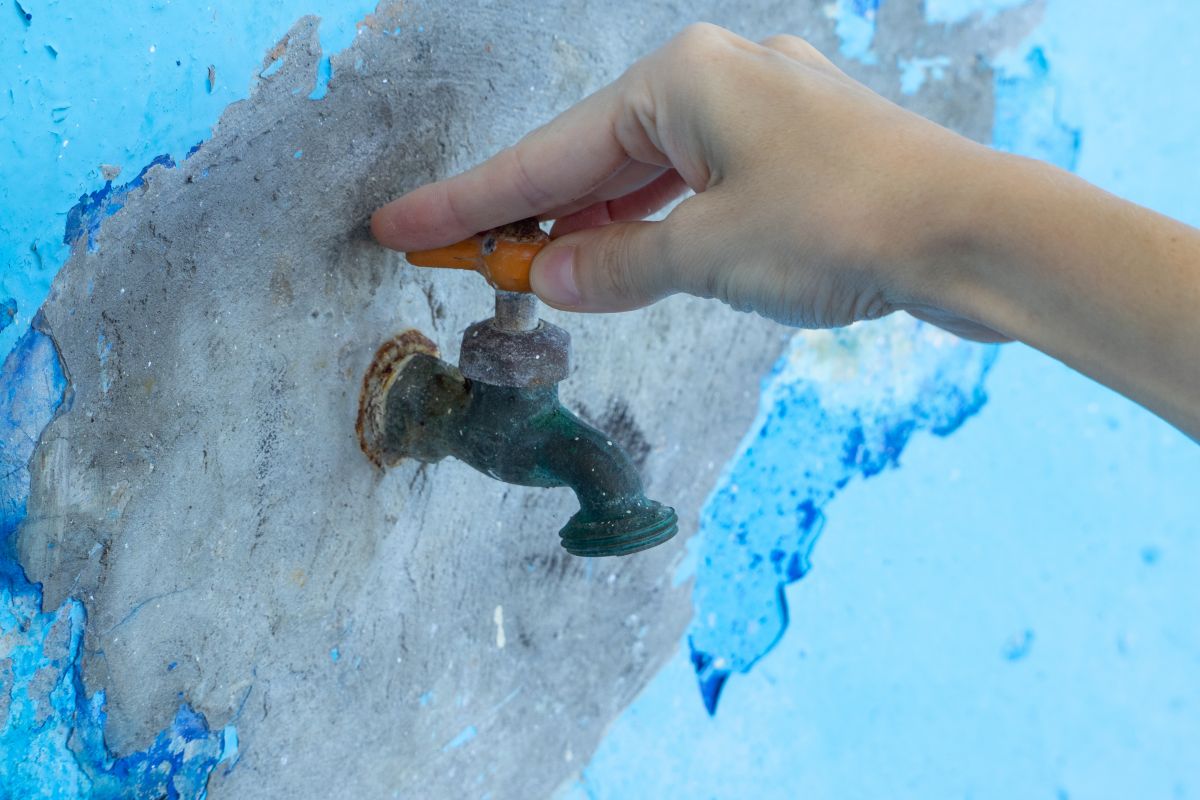
| Locate and test the main water shut-off valve | You or your house-checker need to be able to shut it off fast |
| Shut off the main and drain the lines if the home will be vacant | Little or no water can escape if a pipe bursts |
| Open cabinet doors under sinks on outside walls | Lets warm air reach the pipes |
| Disconnect and drain outdoor hoses | Prevents the outside tap and its supply line from freezing |
| Check the attic for frost and the eavestroughs for ice | Frost and ice dams can lead to leaks while you’re away |
| Leave a key and your contact details with a trusted person | Someone needs to get in quickly if there’s a problem |
If you aren’t sure where your valve is, our guide to the main water shut-off valve shows where it usually sits in Alberta homes and how to close it.
Arranging home checks while you’re away
The Insurance Bureau of Canada advises homeowners who are away to keep the heat on and have someone regularly check the property according to their insurer’s recommendations. A good check takes ten minutes and covers more than the front door:
- Confirm the furnace is running and the house feels warm.
- Look under kitchen and bathroom sinks and around the hot water tank for water.
- Walk the basement, including the furnace room and any finished areas.
- Check ceilings for new stains, especially under bathrooms.
- Run a tap briefly to make sure water is flowing.
- Write down the date and time of each visit; your insurer may ask.
Smart water-leak sensors and temperature alerts can add another layer of warning, but they don’t replace someone who can get inside and act.
Red Deer specifics: the meter and the service valve
In Red Deer, the City owns the water meter and the outside service valve. Under the City’s Utility Bylaw, homeowners must protect the meter and its pipes from freezing, and only the City can turn the service valve on or off. If no taps work in your home or your neighbours’ homes, call the City at 403-342-8750 first; if only part of your home has no water, call a plumber.
For more on cold-weather plumbing, read what to do when pipes freeze and our guide to winter water damage in Central Alberta.
If you come home to a burst pipe
- Shut off the main water valve.
- Turn off power to wet areas if you can do it safely, and stay out of standing water near outlets or appliances.
- Take photos and video before you move anything.
- Call your insurer to start the claim.
- Call a restoration company to extract water and start drying the same day; mould can begin within 48 hours.
Frequently asked questions
How long can I leave my house empty in winter in Alberta?
It depends on your policy. Many Canadian home policies only cover freeze damage if you’re away no more than about four consecutive days during the heating season, unless someone checks the home daily or the water is shut off and the lines drained. Some insurers allow longer, and some exclude homes that sit vacant for more than 30 days. Read your own wording before you book the trip.
What temperature should I leave my thermostat at while I’m away?
Keep the heat on and steady. The City of Calgary recommends at least 15°C to protect water lines, and the American Red Cross says no lower than 13°C (55°F). Setting it a little warmer is cheap insurance during a cold snap.
Should I turn off my water before I leave?
Shutting off the main valve limits how much water can escape if a pipe bursts, but it doesn’t stop pipes from freezing. The Insurance Bureau of Canada advises that if your home will be vacant, you should shut off the water supply and drain the lines. If you leave the heat on and have someone checking in, turning off the main is still a good extra step.
Who should check on my house?
Someone you trust who can get inside, check that the heat is working, look under sinks and in the basement for water, and call for help if something is wrong. Many policies describe this as a “competent person”, so a neighbour, relative or property manager is better than a quick drive-by.
What should I do if I come home to a burst pipe?
Shut off the main water valve, turn off power to wet areas if it’s safe, take photos and call your insurer. Then call a restoration company to start extraction and drying the same day.
Sources
- Insurance Bureau of Canada, Winter Storm Warning: What Homeowners Should Do Now to Protect Their Property (2026)
- Insurance Bureau of Canada, Does my insurance cover damage caused by extreme cold? (2025)
- Insurance Bureau of Canada, Western Canada deep freeze causes over $180 million in insured damage (2024)
- SE Mutual Insurance, Homeowner’s Package Policy – Comprehensive (policy wording) (2022)
- Square One Insurance, Frozen Pipes and Insurance (2025)
- Square One Insurance (news release), Square One Warns of a 191% Increase in Frozen Pipe Home Insurance Claims (2024)
- City of Calgary, Protect your water lines and meter from freezing (2026)
- Alberta Motor Association, Home Winterization Checklist (2026)
- TD Insurance, Home Coverage: Homeowner – Principal Residence (policy form) (2026)
- Province of Alberta, Insurance Act, RSA 2000, c I-3 (Statutory Condition 4) (2026)
- American Red Cross, Frozen Pipes (2026)
- rdnewsNOW, Record low temperatures set during current cold snap (2024)
- City of Red Deer, Utility Bylaw 3606/2018 (2018)