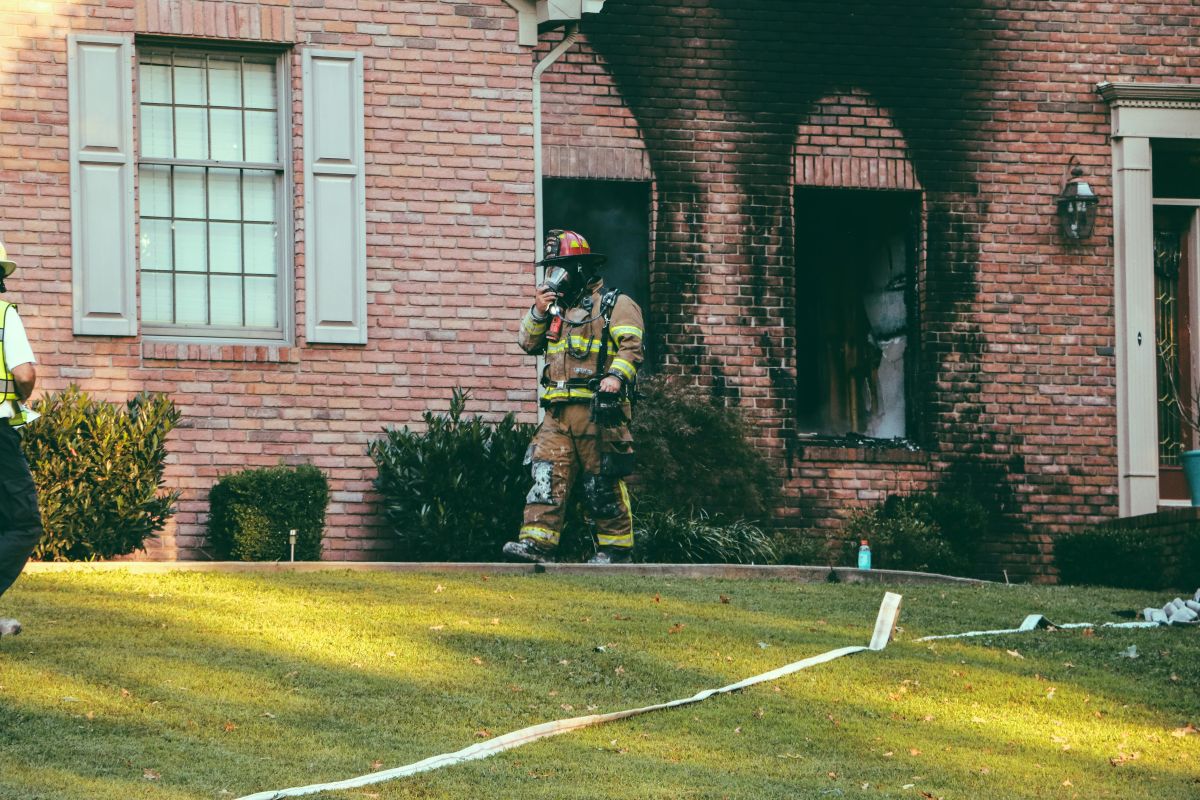
Quick answer: in 2026, cleaning up light smoke and soot damage in a Canadian home typically costs about $2,000–$15,000. A small kitchen fire runs roughly $7,000–$20,000 including repairs, a fire that damages one room and needs rebuilding about $30,000–$90,000, and a fire through several rooms $125,000–$300,000 or more. These ranges were compiled by DKI Central Alberta from 2026 Canadian contractor data; most of it comes from larger cities, where prices tend to run higher than in Red Deer.
Just had a fire? Board-up, smoke cleanup and drying the water from firefighting should start as soon as the fire department releases the property. DKI Central Alberta provides 24/7 fire and smoke damage restoration in Red Deer and across Central Alberta. Call (403) 224-0350.
In this guide
- Why fire restoration costs matter
- How fire damages a home
- Typical fire damage restoration costs (2026)
- What goes into the bill
- What home insurance covers
- Professional vs DIY fire cleanup
- Why smoke cleanup matters
- Getting smoke smell out of clothing
- How DKI Central Alberta helps
- Preventing the next fire
- The bottom line
- Sources
1. Why fire restoration costs matter
After a fire, the first questions are usually about money and time: How much will it cost to restore my home? Will my belongings be saved? How long until we can move back? The answers depend on how far the fire, smoke and firefighting water spread, and on how quickly cleanup starts.
Repair costs have climbed in recent years. The Insurance Bureau of Canada reports that home replacement costs rose 23% between January 2019 and early 2024, and Statistics Canada found home insurance premiums in Alberta rose 55.8% from December 2020 to December 2025, more than anywhere else in Canada.
2. How fire damages a home
No two fires are alike. One may char a stovetop and leave smoke in every room; another may burn through a wall into the attic. Damage usually falls into three groups:
- Structural damage: flames weaken framing, drywall, floors and roofing, which may need partial or complete rebuilding.
- Smoke and soot damage: even a small fire sends oily soot and odour into walls, ducts, furniture and fabrics far from the flames.
- Water damage from firefighting: the water used to put out the fire soaks drywall, insulation and flooring, and can lead to mould if it isn’t dried quickly.
3. Typical fire damage restoration costs (2026)
| Type of fire loss | Typical cost (CAD) |
|---|---|
| Light, localized smoke and soot cleaning | $2,000 – $15,000 |
| Small kitchen fire, including repairs | $7,000 – $20,000 |
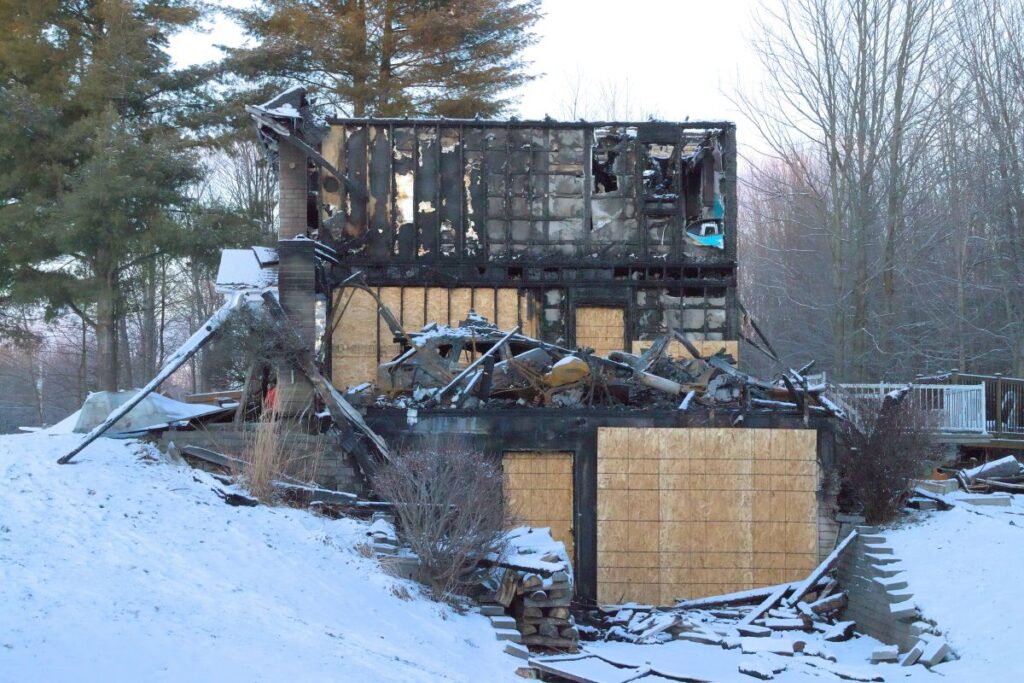
| One room damaged, with rebuilding | $30,000 – $90,000 |
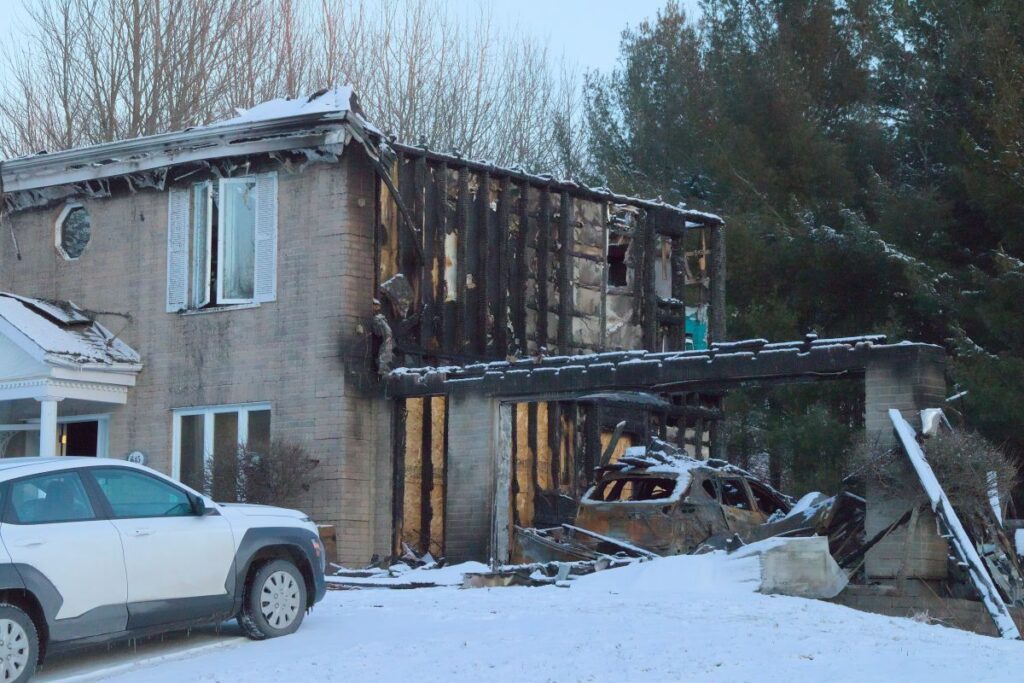
| Several rooms damaged | $125,000 – $300,000+ |
For a sense of scale, Quebec insurance data put the average cost to repair a home after a fire at $108,359 in 2023 (IBC/CatIQ). That average includes total losses, so most single-room fires cost far less, but it shows how quickly a serious fire adds up.
4. What goes into the bill
| Line item | Typical cost (CAD) |
|---|---|
| Emergency board-up and tarping | $500 – $3,000 |
| Smoke and soot cleaning | $2,000 – $15,000 |
| Odour removal and air scrubbing | $500 – $3,000 |
| Contents cleaning and pack-out | $2,000 – $20,000+ |
| Water extraction and drying after firefighting | varies with area; billed per day of drying |
| Rebuilding (drywall, flooring, framing, roofing) | often half or more of a larger claim |
In older homes, materials such as drywall compound, vinyl flooring or insulation may contain asbestos and need testing before damaged areas are torn out, which adds time and cost. See our asbestos removal page for how that works.
5. What home insurance covers
- Fire is a standard peril. The Insurance Bureau of Canada states that all standard homeowner’s and tenant’s insurance policies cover damage caused by fire.
- Additional living expenses (ALE). If your home is unliveable after an insured loss, standard policies cover the extra cost of living elsewhere, such as a hotel and meals, for a reasonable time or until the policy limit is reached.
- Limits still apply. Contents, high-value items and code upgrades may have their own limits, and your deductible comes off the claim.
- Document before you clean. Take photos and video of every room, keep receipts for emergency expenses, and don’t throw away damaged items until your adjuster has seen them or approved disposal.
Our step-by-step guide to filing a home insurance claim in Alberta covers the process in more detail.
6. Professional vs DIY fire cleanup
Wiping down a little soot after a stovetop flare-up is a reasonable DIY job. Anything more is not. Soot is oily and spreads when it’s wiped the wrong way, smoke travels into ducts and wall cavities you can’t reach, and firefighting water hides in insulation and subfloors.
- Professionals check for structural hazards before anyone works in the space.
- Soot is removed with the right method for each surface instead of being smeared deeper.
- Odour is removed at the source, not covered up.
- Drying is measured with moisture meters, which supports your insurance claim and prevents mould.
7. Why smoke cleanup matters
Smoke often damages more of the house than the flames do. It settles into drywall, wood, fabrics and the HVAC system, and the longer residue sits, the harder it is to remove. Cleaning quickly limits permanent staining and odour and reduces exposure to the fine particles in soot.
Lingering odour is its own problem. Our odour removal service finds where smoke residue is hiding, cleans or removes it, and uses treatments such as HEPA air scrubbing and thermal fogging. When ozone is used, the space must be empty of people and pets.
8. Getting smoke smell out of clothing
Most smoke-damaged clothing can be saved if it’s handled soon after the fire:
- Shake or brush off loose soot outdoors before washing, wearing gloves.
- Wash in cold water with a good detergent and repeat the wash several times if needed; skip fabric softener until the smell is gone.
- Hang-dry instead of using the dryer until the odour is completely gone.
- Keep damaged items until your insurer has approved disposal, and list anything you throw out.
- Use a professional for delicate fabrics, leather, heirlooms or large volumes of clothing.
Our full guide to getting smoke smell out of clothes goes step by step, and our contents restoration team can clean and deodorize clothing, bedding and furniture for you.
9. How DKI Central Alberta helps
- 24/7 emergency response across Red Deer and Central Alberta, including board-up and tarping
- IICRC-trained technicians for smoke, soot and water cleanup
- Odour removal and contents restoration so belongings can be cleaned instead of replaced
- Documentation for your insurer from the first walkthrough to the final sign-off
- Local crews, national backing from the DKI Canada network
10. Preventing the next fire
Cooking is the leading cause of house fires in Canada, and smoking materials cause the most fire deaths. A few habits prevent most of them:
- Stay in the kitchen while you’re cooking on the stovetop; keep a lid nearby to smother a pan fire.
- Install smoke alarms on every level and outside sleeping areas, and test them monthly.
- Keep a ULC-listed ABC fire extinguisher in the kitchen and know how to use it.
- Clean the dryer lint trap after every load and have chimneys inspected before the heating season.
- Use only certified chargers for e-bikes, scooters and other lithium-ion batteries.
Read more in our guide to the 15 most common causes of house fires.
11. The bottom line
The cost of restoring a house after a fire ranges from a few thousand dollars for light smoke damage to six figures for a serious fire. Starting cleanup quickly, documenting everything and working with a restoration company that knows the insurance process keep that number as low as possible. If you’re in Red Deer or Central Alberta, contact DKI Central Alberta or call (403) 224-0350 any time.
Sources
- Insurance Bureau of Canada, Insurance experts provide guidance following devastating wildfires in Alberta (July 2024)
- Insurance Bureau of Canada, Wildfires and Insurance (additional living expenses)
- Insurance Bureau of Canada, How mounting cost pressures affect Canada’s personal property insurance market (May 2024)
- Statistics Canada, Extreme weather impacts on consumers and insurers in Canada (June 2026)
- Statistics Canada, Three in four fire related deaths in 2021 occurred in a residential fire (October 2023)
- infoassurance.ca (IBC and GAA), Why does my home insurance cost more? (IBC/CatIQ 2023 data)
- RenoHouse, Fire Damage Restoration Cost Toronto: 2026, and Restoration Mate, How Much Does Fire & Water Damage Restoration Cost? (2026 contractor data)
- Alberta Health Services, Returning to your home after a wildfire