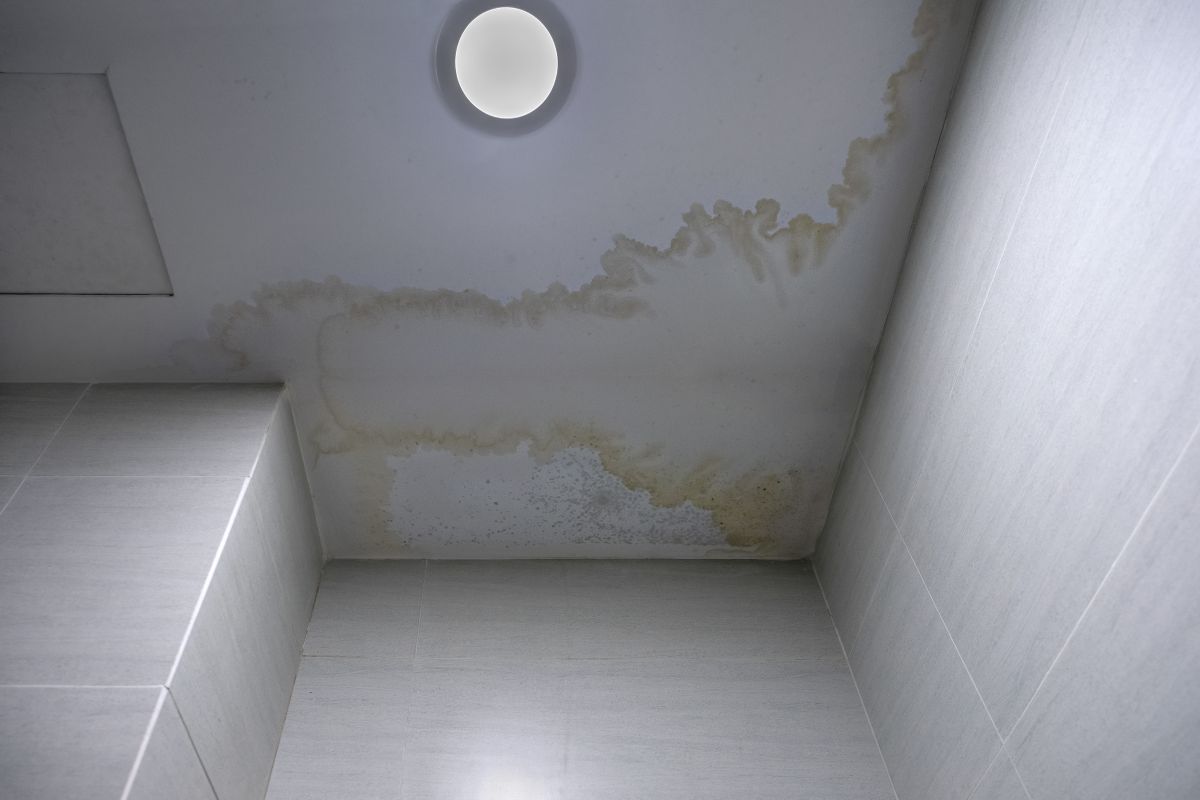
Quick answer: Water damage categories rate how contaminated the water is, from Category 1 (clean) to Category 3 (grossly contaminated, such as sewage). Classes rate how much water was absorbed and how hard the wet materials are to dry, from Class 1 to Class 4. Both come from the ANSI/IICRC S500 standard, and together they decide what gets removed, how drying is set up and what the job costs.
When a basement floods in Red Deer or elsewhere in Central Alberta, sorting out category and class is one of the first things a restorer does. Here is what each label means and why it matters for your cleanup and your claim.
Key Takeaways
- ANSI/IICRC S500 (5th edition, 2021) is the industry standard for water damage restoration.
- Category 3 water, including sewage and rising river water, is grossly contaminated.
- Category can get worse over time, as time and temperature affect how contaminants grow.
- Classes 1 to 3 depend on how much porous surface got wet. Class 4 covers dense materials like wood and concrete.
- For Category 2 or 3 water, remediation comes before drying, which adds work and cost.
Table of Contents
What is the IICRC S500 standard?
The Institute of Inspection Cleaning and Restoration Certification (IICRC) publishes consensus standards for the restoration industry. ANSI/IICRC S500 is its standard for professional water damage restoration. The current version is the 5th edition (2021), and work on the next revision has started.
The S500 gives restorers a shared language. A restorer records the category of water and the class of the loss, and those two labels shape the safety precautions, what gets torn out and how drying is set up. Health Canada’s mould guide lists IICRC certification as one sign of a qualified cleanup company.
What are the three categories of water?
Category describes contamination: what is in the water and how risky it is to touch or breathe around. It depends on where the water came from, not how much there is.
Category 1: clean water
Category 1 water comes from a sanitary source and does not pose a substantial risk through skin contact, swallowing or breathing (S500 4th edition wording, as reported by Cleanfax). A leak from a clean water supply line is a common example.
Category 2: significant contamination
Category 2 water contains significant contamination and can carry potentially unsafe levels of microorganisms, or nutrients that feed them (same source). It is often called grey water. A washing machine or dishwasher overflow is a typical example.
Category 3: grossly contaminated
The current S500 defines Category 3 water as “grossly contaminated” and able to carry “pathogenic, toxigenic or other harmful agents”. The IICRC’s March 2026 position statement lists examples including sewage, backflow from waste lines beyond any trap (whatever the water looks like), seawater and rising water from rivers or streams.
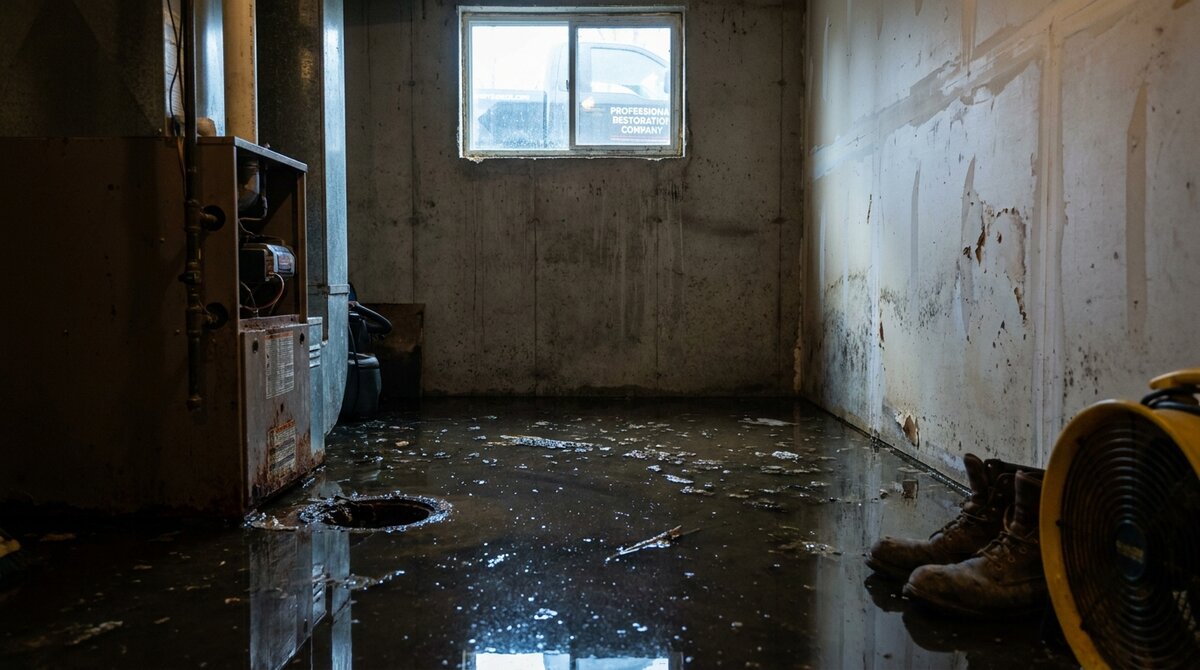
In Red Deer, that last example is relevant to homes near the Red Deer River and Waskasoo Creek. The City of Red Deer also warns that heavy rain can overload the storm sewer, and sometimes the sanitary sewer, and force water back into a home’s service line. Because sewage is Category 3, sewer backup cleanup involves containment, protective equipment and removal of affected materials.
The same statement adds that water from weather events, such as wind-driven rain, is not automatically Category 3. If hail damage lets water into your home, that water is assessed on its own.
| Category | Typical sources | What usually happens to porous materials |
|---|---|---|
| Category 1 (clean) | A sanitary source, such as a leaking clean water supply line | Extraction and drying. CMHC says to replace carpet and underpad wet for more than 48 hours. |
| Category 2 (significant contamination) | An appliance overflow, or clean water that has sat too long | Remediation before drying (S500). Porous items that cannot be thoroughly cleaned and dried are thrown out (CCOHS). |
| Category 3 (grossly contaminated) | Sewage, waste line backflow from beyond a trap, seawater, rising water from rivers or streams (S500) | Soaked drywall, wet insulation and flood-damaged carpet and underlay are removed (MyHealth Alberta). Sewage-soaked items may be bagged and discarded (Health Canada). |
Can clean water become contaminated?
Yes. The S500 notes that time and temperature can affect how contaminants grow, and that this can change the category. Clean water sitting in carpet, drywall and wall cavities does not stay clean forever.
The clock matters for mould too. Health Canada says mould will begin to grow in an area with excessive moisture within 48 hours. See how fast mould grows after water damage for more.
That is why speed matters even with a clean leak. Extract the water and start drying early, and a Category 1 job has a better chance of staying Category 1.
What are the four classes of water damage?
Class describes the size and difficulty of the drying job, based on how much porous material got wet and how easily it gives up water. These 5th edition definitions come from a 2025 C&R Magazine article by an IICRC-certified restorer and match earlier Cleanfax summaries.
- Class 1: minimal absorption and evaporation, with less than about 5% of porous materials affected.
- Class 2: significant absorption, with roughly 5% to 40% of porous materials affected.
- Class 3: the highest absorption into porous materials, with more than 40% of the area affected.
- Class 4: water absorbed into low-evaporation materials such as plaster, wood, concrete or masonry. Drying may need special methods and longer drying times.
The percentages refer to the share of the room’s combined floor, wall and ceiling surface that is wet, porous material. A damp carpet in one corner is a very different job from a finished basement with soaked carpet, pad and drywall. Hardwood floors and concrete slabs are typical Class 4 problems because they release water slowly.
Class does not measure contamination. A small sewage spill is still Category 3, and a clean leak into hardwood is still Category 1.
How does the category change what gets removed?
Category drives the cleanup method. For Category 1, the S500 says the restorer can proceed without contamination controls. For Category 2 or 3 water, it says remediation should happen before restorative drying, with contamination controls and worker protection. In plain terms, contaminated materials are cleaned or removed first, then the structure is dried.
Canadian health agencies are direct about porous materials touched by floodwater or sewage:
- MyHealth Alberta says to throw away wet insulation, remove drywall that is soaked, and remove carpets and underlay damaged by the flood.
- CCOHS says to dispose of porous items like drywall, carpet and fabric furniture that cannot be thoroughly cleaned and dried, especially if wet for 48 hours or more.
- Health Canada says children, pregnant women and people with respiratory problems should never handle sewage-contaminated water or materials.
The S500 says many water jobs do not need an indoor environmental professional (IEP), but one should be brought in for cases such as high-risk occupants or when contamination needs to be confirmed.
How do category and class affect cost?
More contamination means more removal, protective equipment, containment and disposal. US cost guide HomeGuide puts flooded basement cleanup at USD $4 to $6 per square foot for clean water, $6 to $9 for grey water and $9 to $12 for black water, before major repairs. These are US figures, not a Central Alberta quote, but they show how category moves the price.
Class affects cost through the drying plan. More wet material, or dense materials like hardwood and concrete, usually means more equipment and more drying days. For Canadian ranges, see the true cost of water damage restoration in Canada.
The Insurance Bureau of Canada (IBC) says sewer and drain backup is typically not covered by a standard policy, although most insurers offer optional sewer backup coverage. Check your policy before you need it.
Frequently asked questions
Is a sewer backup always Category 3?
Yes. The IICRC S500 lists sewage and backflow from waste lines beyond any trap as Category 3, no matter what the water looks like.
Can Category 1 water become Category 2 or 3?
It can. The S500 notes that time and temperature affect how contaminants grow, which can change the category. Fast extraction and drying helps keep a clean-water loss from getting worse.
Is water from a roof leak or hailstorm Category 3?
Not automatically. The IICRC says water coming in from above, wind-driven rain and water from weather events are not automatically Category 3, so each loss has to be assessed.
What is a Class 4 water loss?
Class 4 means water has soaked into low-evaporation materials such as wood, plaster, concrete or masonry, which can need special drying methods and more time.
Who should I call first for a sewer backup in Red Deer?
A plumber. The City of Red Deer’s guide lists sewer backups in your home as a call for a plumber; call the City at 403-342-8750 if floor drains are bubbling or gushing with a sewer smell. Report the damage to your insurer as soon as possible.
Sources
- IICRC S500 Consensus Body, Category of Water Damage and Weather-related Events (position statement) (2026)
- IICRC, ANSI/IICRC S500 Standard for Professional Water Damage Restoration, 5th edition (2021)
- Cleanfax, Success on Water Losses: Using the IICRC S500 (2020)
- C&R Magazine, Getting Classifications Right: Avoiding Costly Drying Mistakes (2025)
- Health Canada, Guide to addressing moisture and mould indoors (2023)
- Health Canada, Flood cleanup: keep in mind indoor air quality (2024)
- Canadian Centre for Occupational Health and Safety, Flood Clean-up (2024)
- MyHealth Alberta (Alberta Health Services), Restoring your home (2025)
- CMHC, Mould in Housing: A Resource Guide for First Nations Housing Providers (2024)
- City of Red Deer, Flood Protecting Your Home (2011)
- City of Red Deer, Fix Leaks, Floods and Sewage Issues: Who to Call (accessed 2026)
- HomeGuide, How Much Does Flooded Basement Cleanup Cost? (2025)
- Insurance Bureau of Canada, Water Damage and Flood Protection (2026)
- Wikipedia (citing Statistics Canada and local sources), Red Deer, Alberta (accessed 2026)